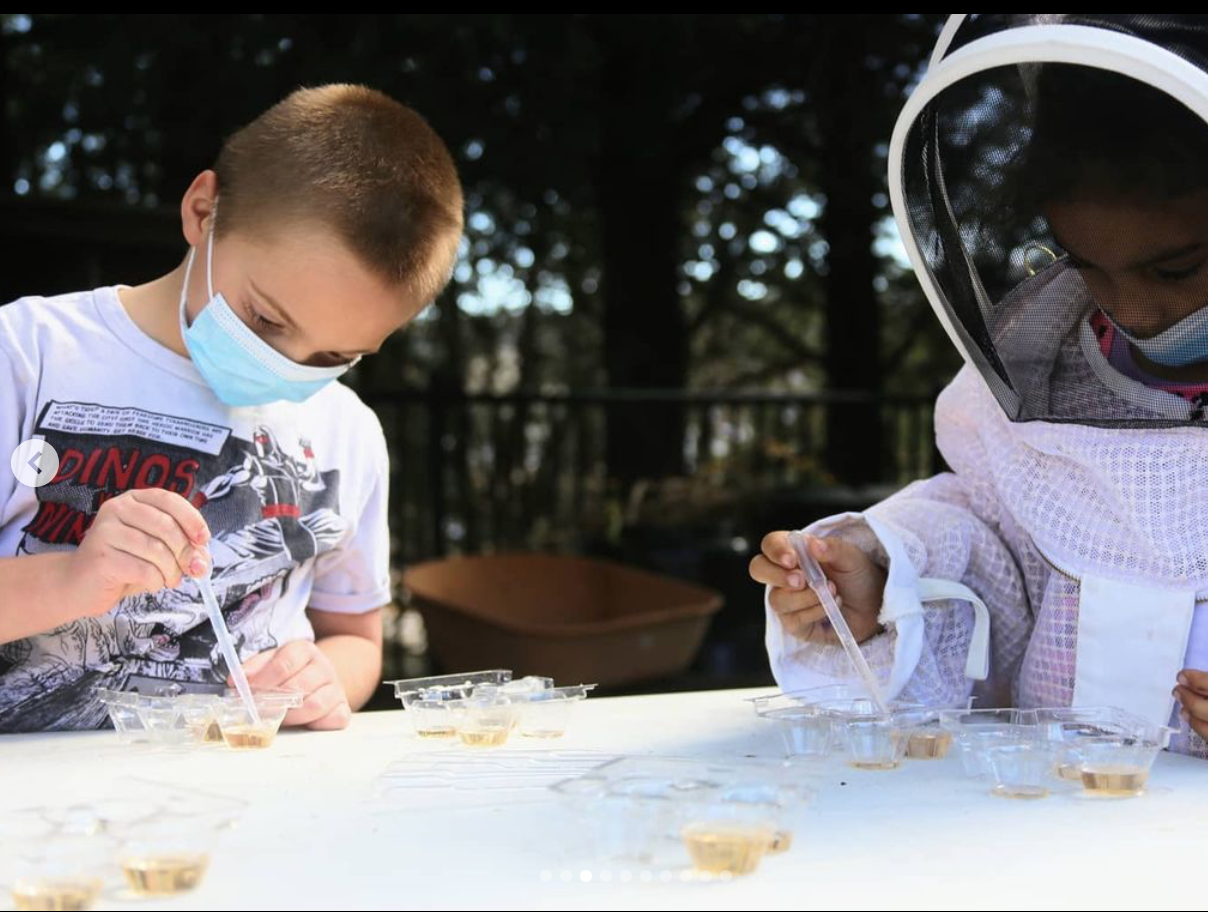
Thumbs up for hands-on learning
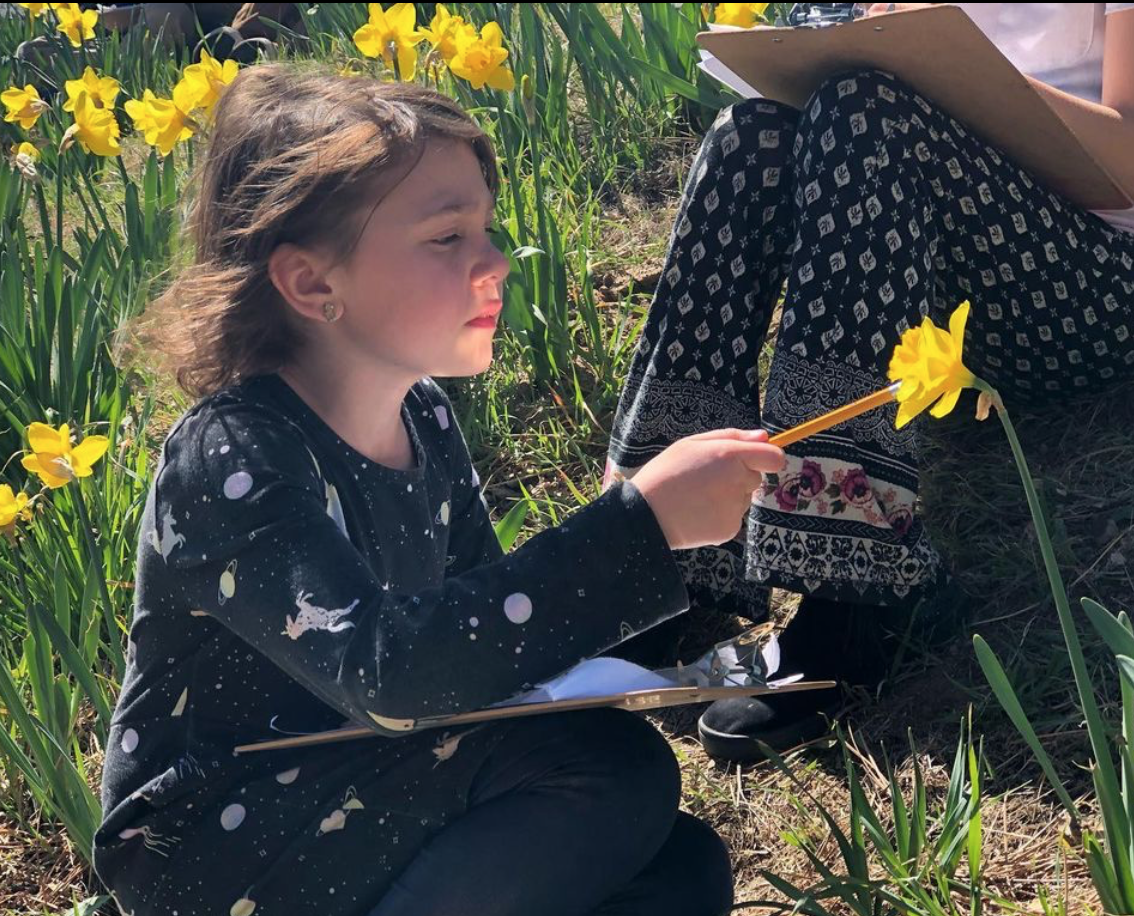
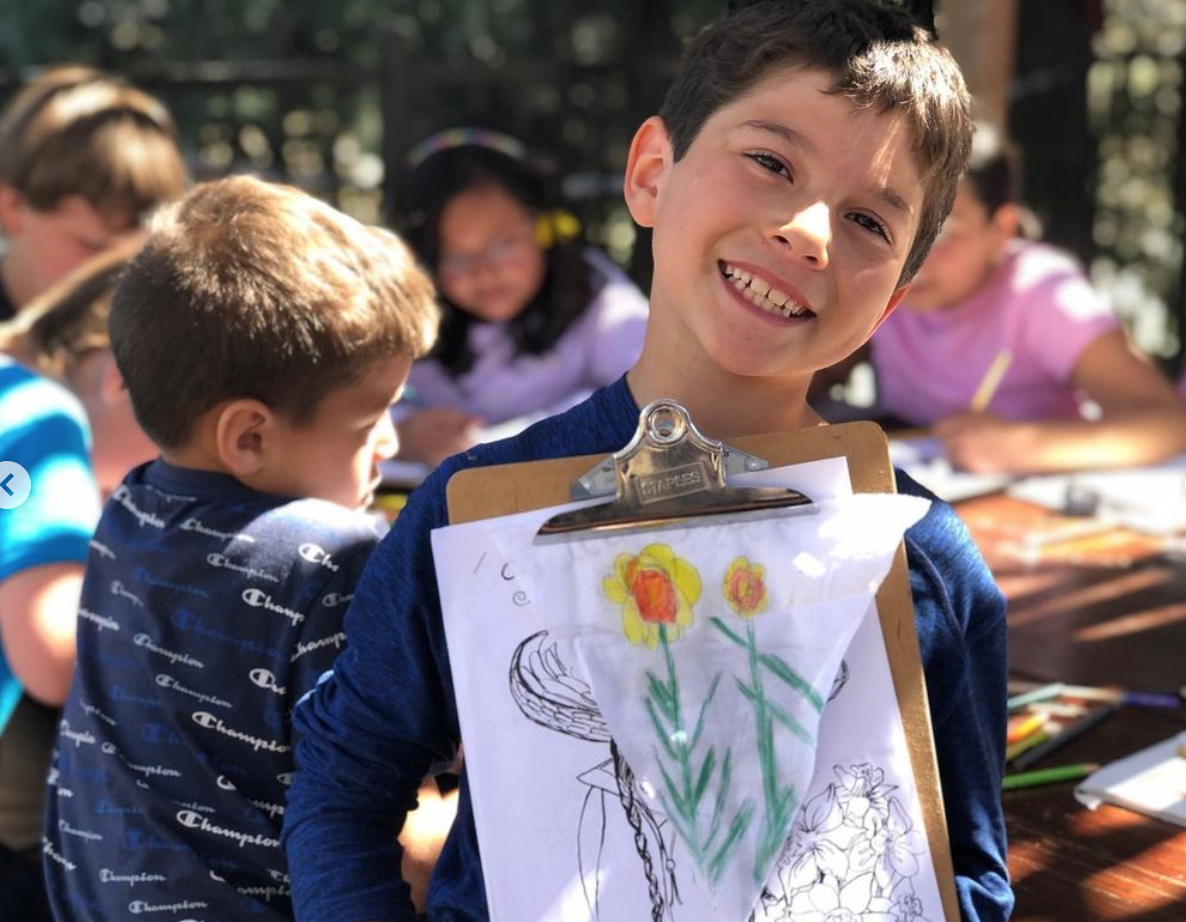
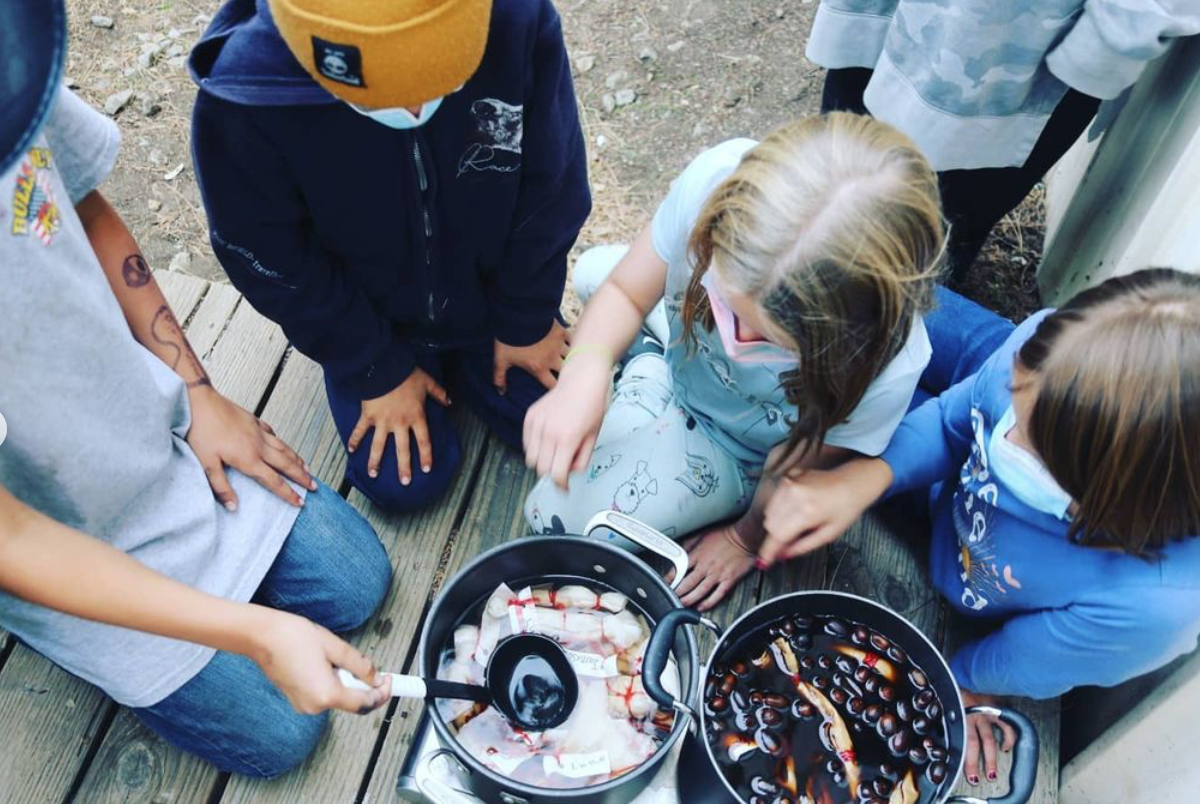
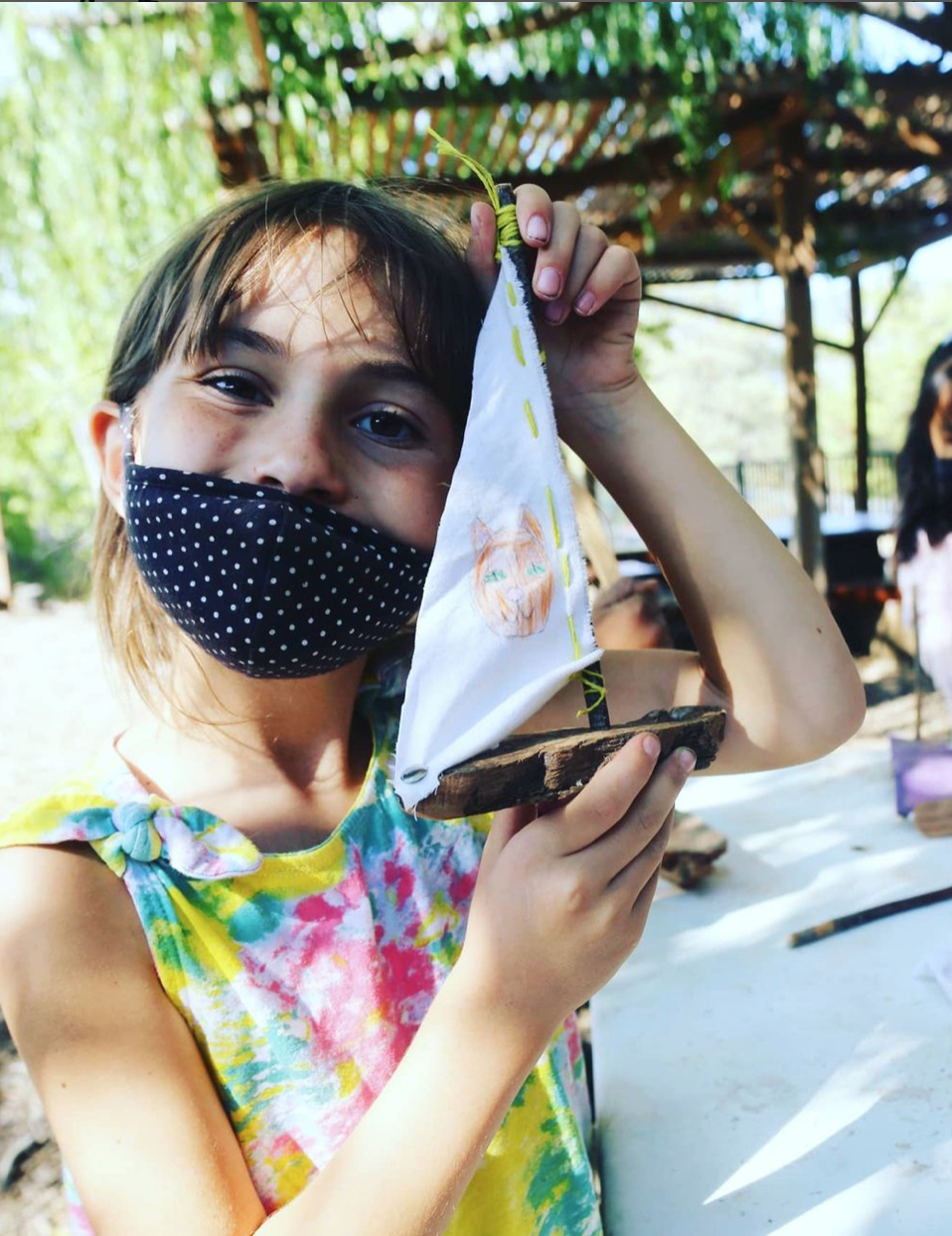
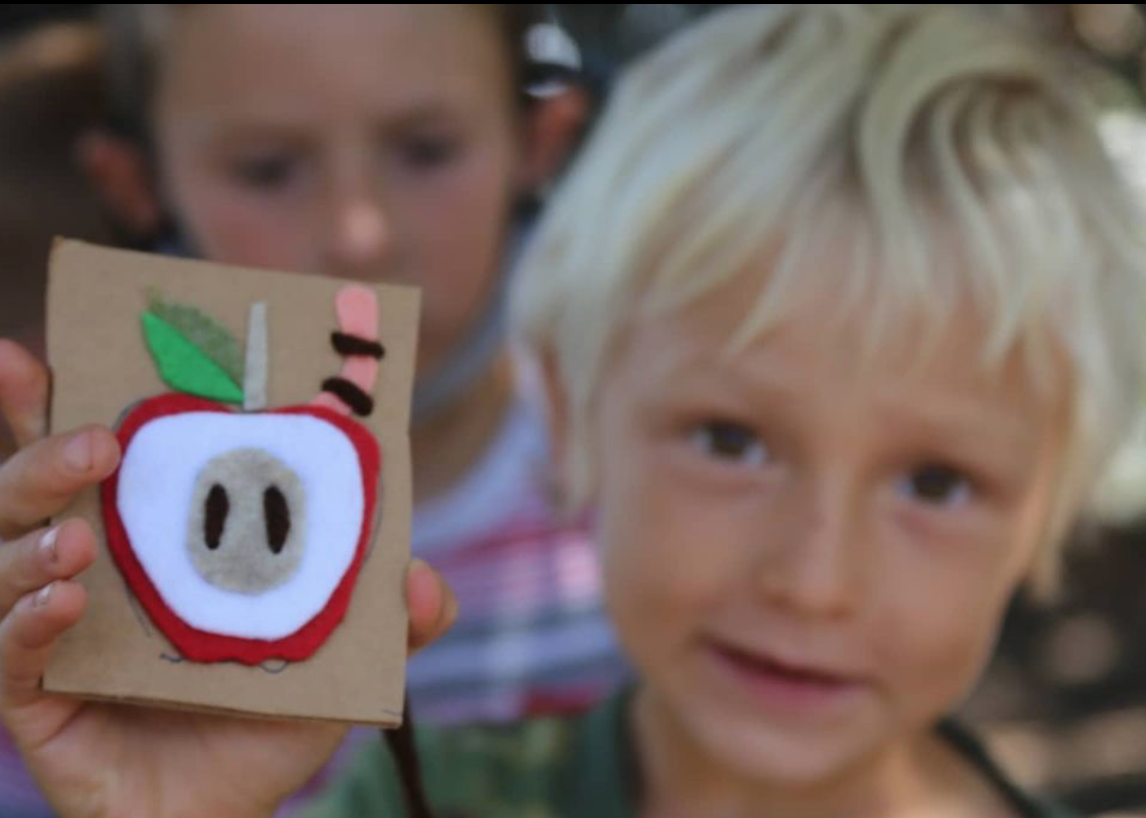
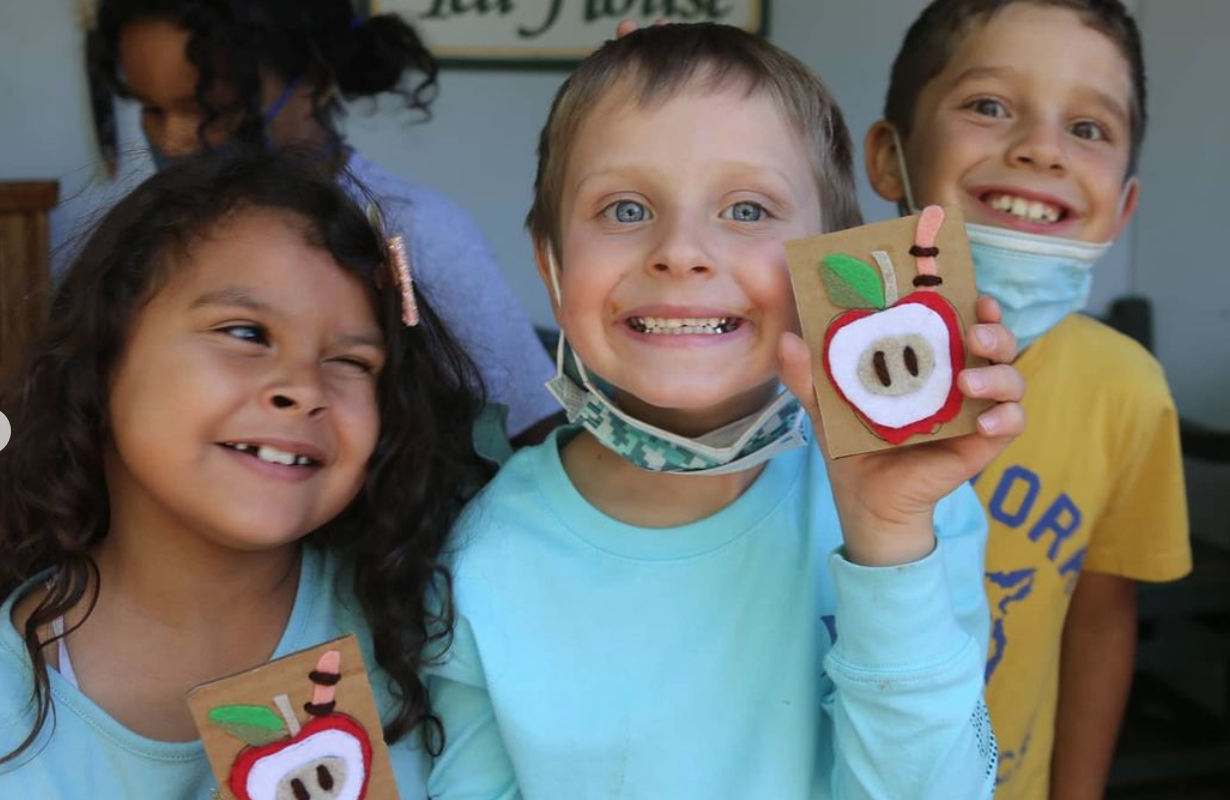
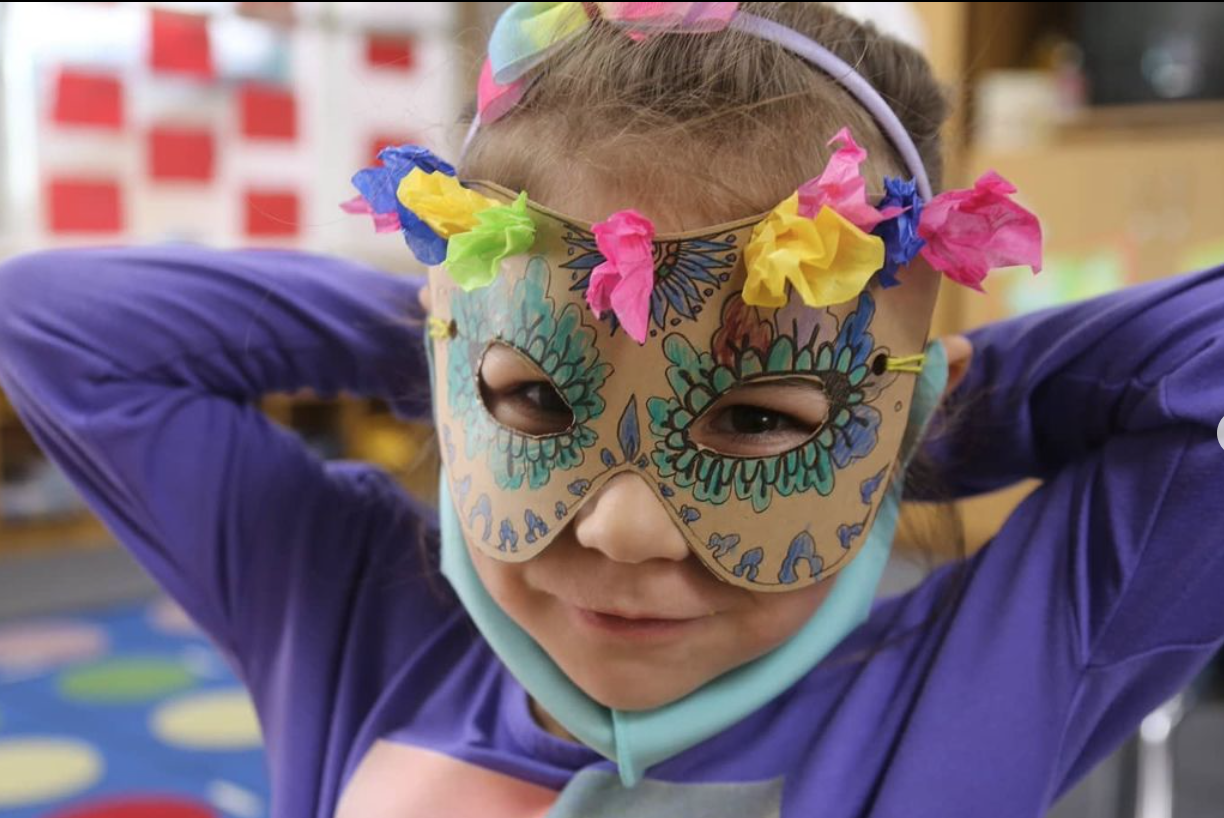
We’re always talking about how good experiential education is for kids. Hands-on instruction just seems to deliver content in a way that kids learn. Or perhaps…all people learn? In my master gardener training, we have five hours of class a week. The mornings are excellent lectures, and the afternoons are often workshops/labs. I have loved the experiential piece, reaffirming the vast possibilities for garden-based education. Here are some snapshots of the experiential component of the Master Gardener program in San Diego:
This slideshow requires JavaScript.
Scary statistics/hopeful trends
At our backcountry collaborative meeting this week, a guest speaker from the San Diego County Office of Education talked about the growing national obesity epidemic. Consider these frightening statistics she mentioned:
-A child born today in the U.S. is likely to have a shorter lifespan than his/her parents.
-40% of children in San Diego County are considered overweight or clincally obese.
-The Department of Defense has called the obesity epidemic an issue of national security because 75% of young people otherwise eligible for service in the armed forces cannot pass the fitness test.
The good news is that we are starting to see an increased emphasis on physical education, outdoor exposure, and healthy eating habits in school programs, community initiatives and funding opportunities. Similarly, increasing attention is also being placed on connecting school children to local, fresh food, often through school garden programs. One thing I hope to do more with kids at our school is to help them understand where and how food is grown in our community, starting with our neighborhood farms and reaching out into the county.
Yesterday I led an after school field trip for the GATE students to Volcan View Farms where we were given a tour by local farmer and early-friend-to-our-school-garden, Ryan Wannamaker.

Ryan showing how he “grows” soil—the rye grass and bell beens grown in this field as a cover crop and plowed under six weeks ago now make for rich and rejuvenated soil for this year’s plantings (Photo courtesy of Marisa McFedries)
Gardens as places to recharge
The goal of this blog is to tease out all of the good things that school gardens can do. Some things are obvious: kids learn good nutrition when they plant, tend and harvest their own food. But other things are more subtle, and I like to point out these less obvious values. A benefit of school gardens that I have never heard explicitly talked about before is described below by Susi Jones, the executive director of our family resource center. A beautiful campus gardens is a place where staff can recharge. Susi writes:
It may seem curious to see a school staff member wandering in the Character Garden in the middle of the day, but not when you think of gardens as an antidote to the day’s chaos!
Our beautiful school garden- with its native strawberries, gazing ball, dry rock river bed, and flowering orchard- was a calming retreat for me on a particularly busy morning. My feet took me to the garden before I really had determined where I was headed. After just a few minutes of wandering in the garden by myself, enjoying the quiet and peaceful surroundings and collecting my thoughts, I was ready to head back and meet the next challenge.
I know that school gardens enrich curriculum and are healthy for children… and now I know that our school garden is where I will head the next time I want a few moments to relax, refocus, and reenergize.
95% of students report “yum” on kale
Our garden ambassadors periodically cook/prepare garden produce and host a “taste test” during the 10:15 recess at this adorable cart:
Today we tackled kale—considered by many to be the most nutritious vegetable to eat. It also seems to grow effortlessly and abundantly—here’s some plants grown from seed by our PLUS team (junior high leadership).
Kale can also be perceived as hard to eat. To introduce it to our kids in a positive way, the ambassadors met before school to blend up smoothies with kale, apple juice, bananas, celery and fresh lemon juice. Kids lined up for a taste, and the girls recorded a “yum” or “yuck” rating.
I love this idea because it introduces kids to new foods and flavors, all in the fun of a recess “taste test.” One girl lingered for a few minutes before getting up the nerve to down her ounce of green smoothie—once she did, she asked for the recipe so her grandmother could make her more. Some kids got back in line and begged for seconds. Another little girl said she wished we had it every snack recess. Teachers came out to taste test too!
Garden traditions: a tea party for our staff
For any school starting a garden, I would recommend the early implementation of traditions. One we started our first year was throwing a tea party on Administrative Professionals Day. Seven beloved staff members receive an invitation:
And then we have high tea in the garden!
OK, this year we were forced to move it inside because of the cold, breezy, damp weather. And that proved to be a more enjoyable experience for all!
Here is a picture from last year:
Garden Tour, April 2012
Every once in a while, I’d like to give you a quick tour of what’s current in the school garden. Welcome to the first installment.
Mrs. Dawson’s first grade class broadcast California wildflower seed in this demonstration bed:
Our grapes are growing along the fence:
We have a new cedar shed. Isn’t it adorable? We waited a long time for this shed, raising the money to buy a quality unit. So glad we did!
Our native strawberry bed continues to be lush and prolific:
A cute sign my younger son made in a craft workshop with Marisa:
Here’s a bed we sowed with nitrogen-fixing legumes to organically improve our soil:
Our current garden bulletin board:
A craft project from a couple years ago: Our garden rocks! Yes, it does.