Collecting garden ideas in the Capital

As has become my custom, I took pictures of some sweet ideas for children’s gardens at the United States Botanic Gardens.

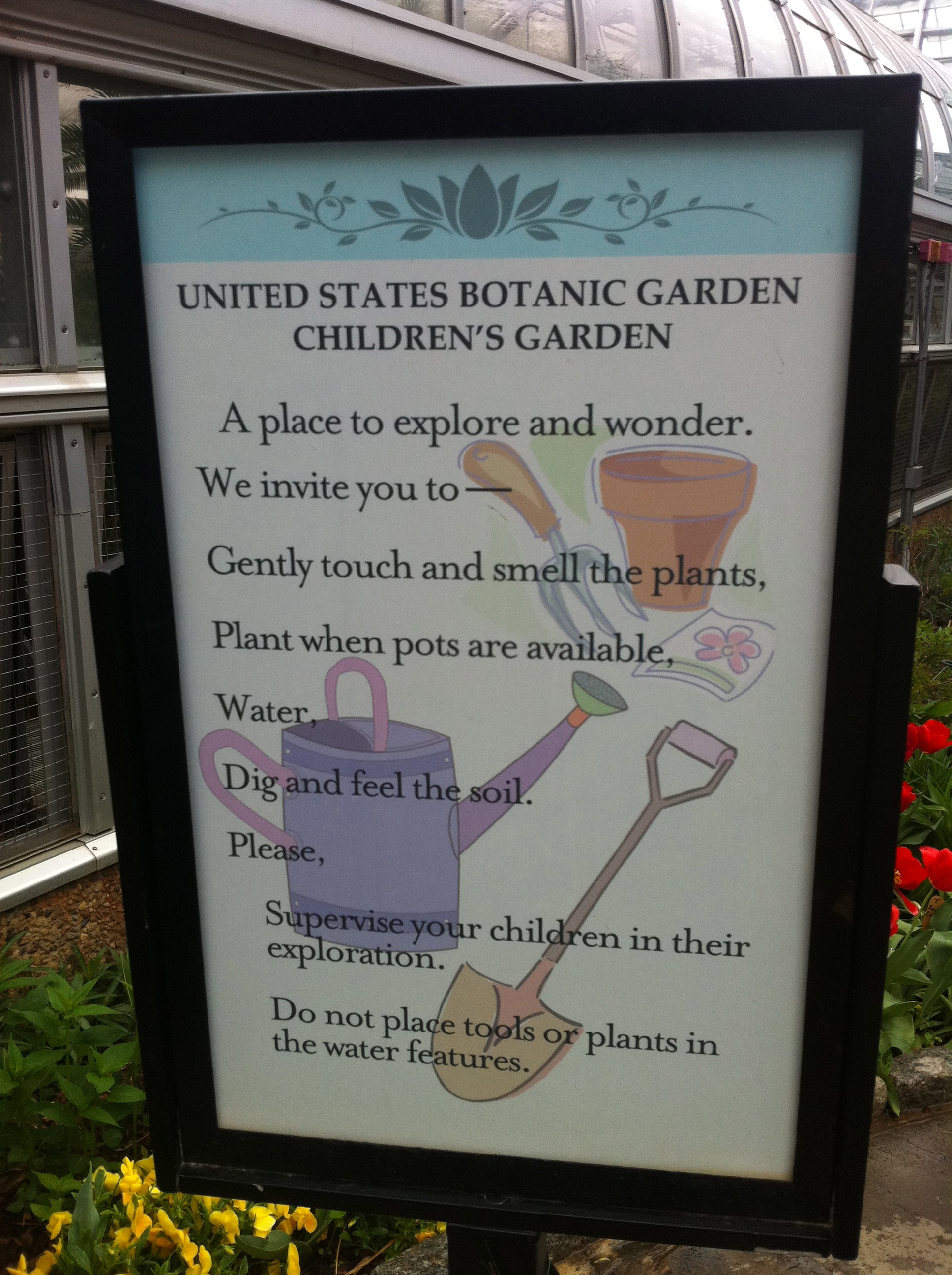
Upfront, they give permission to use the senses:

IMG_6471

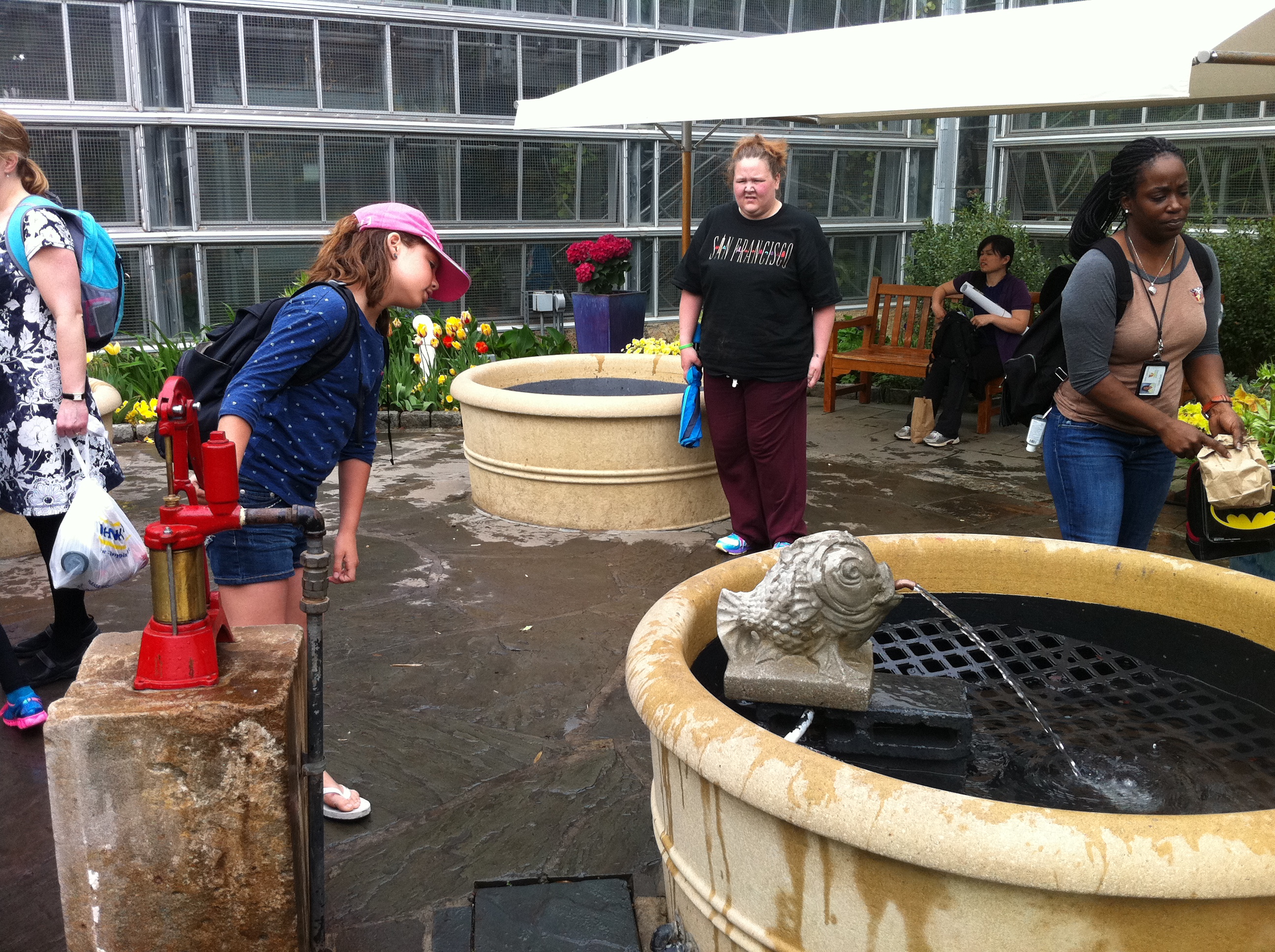
Kids cranked on this old-fashioned pump to fill the pool…

IMG_6474

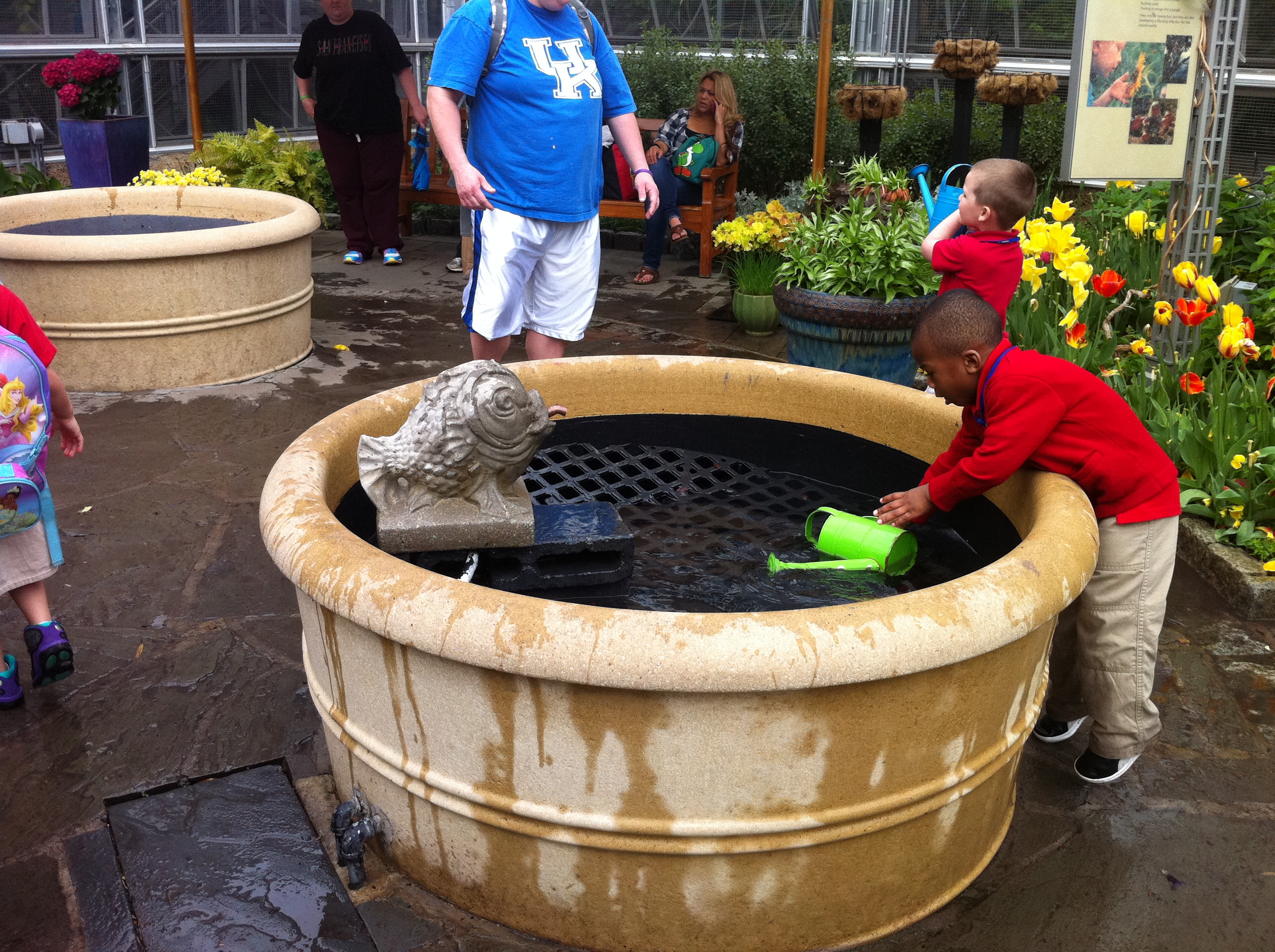
….and then kids filled up watering cans….

IMG_6473

….and watered everything in sight.   ( I imagine they’ve got the most well-draining soil imaginable)….

IMG_6470

Brightly painted details always add a touch of whimsy.

IMG_6476

If you’re reading this and you’d like to help me install a mailbox in our school garden, I would take you up on it.  I love this idea as a way to store how-to handouts for visitors (i.e. One of our beneficials is working on a one-page sheet on how to construct your own gopher cages to plant in.)

IMG_6506

We saw an exhibit on plants that traveled because of the Perry Expedition.  I’m completely intrigued by the worldwide migration of plants, and I think it’s a good hook for pulling kids in to both botany and history.

IMG_6499

Rooftop gardens are big right now, but how fun that this one on top of a playhouse is accessible and eye-level (at least for adults?)

IMG_6483

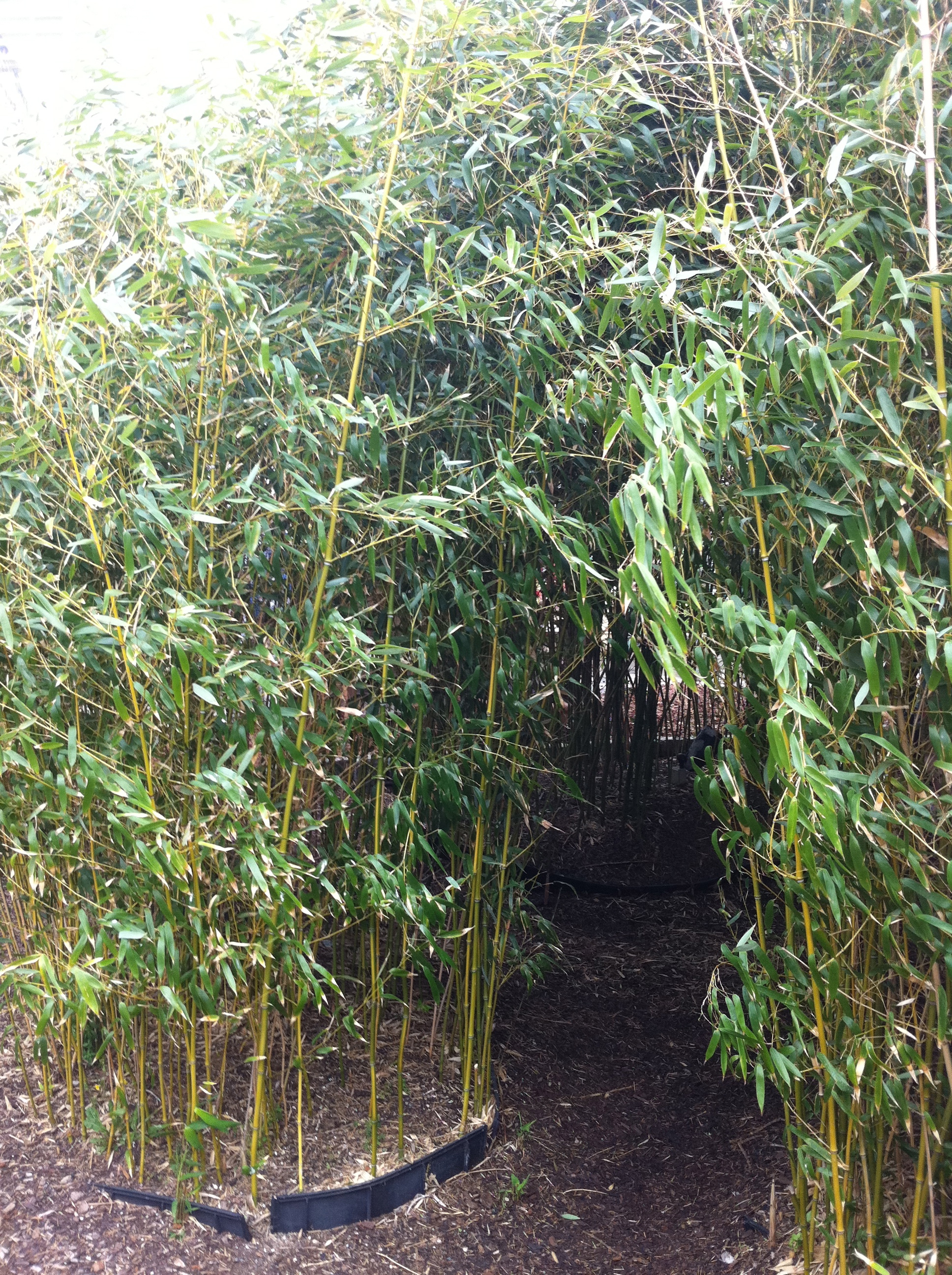
A common element in children’s gardens: little, green spaces to crawl into.  Here: a bamboo grove of one’s own.

IMG_6479

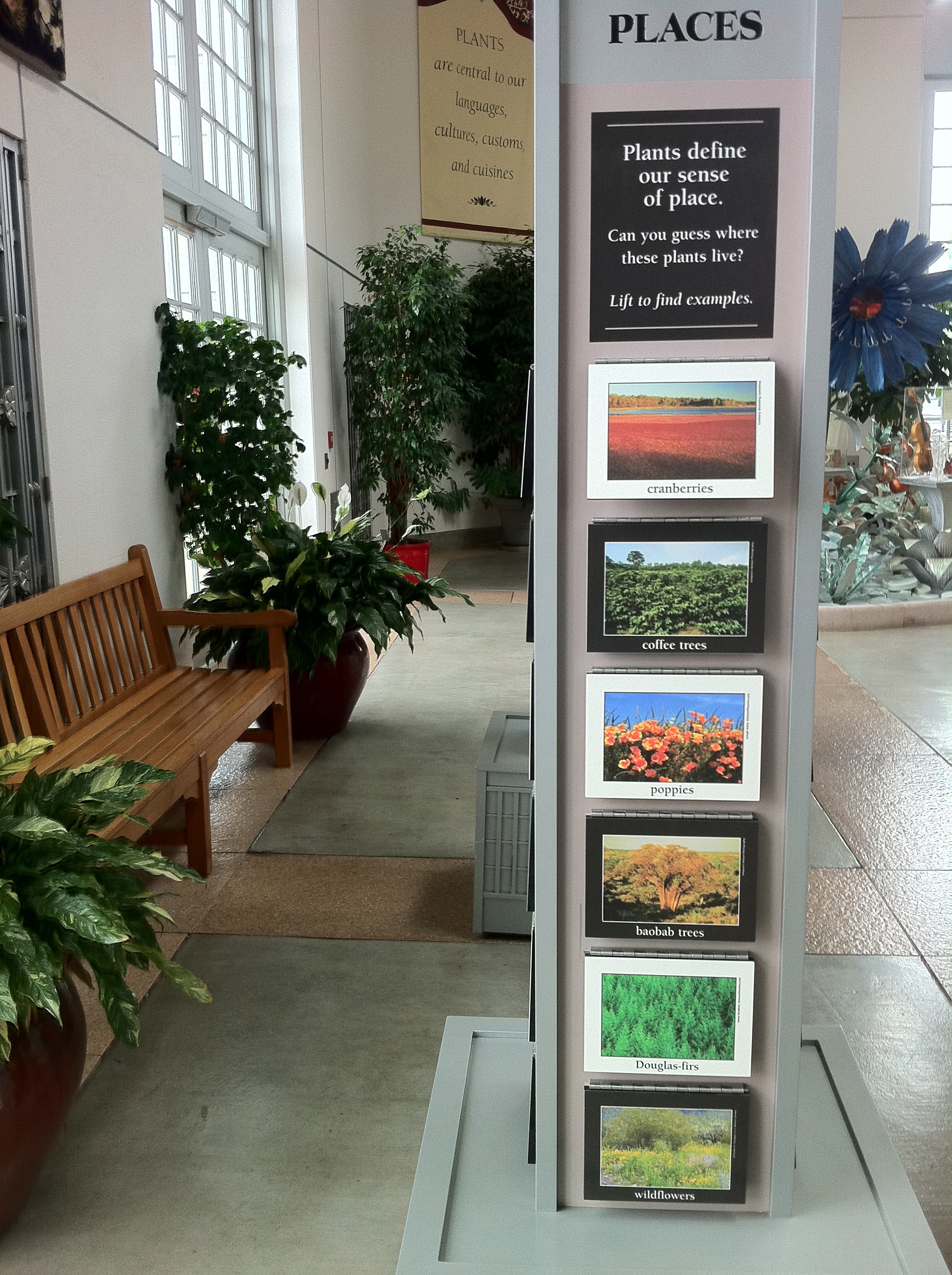
Another personal interest:  how do plants, trees and flowers contribute to our sense of place?  I know I feel more “grounded” every year in Julian as I learn my plants, note subtle changes in the succession of blooms, recognize patterns in the seasons, expect certain smells, etc.

IMG_6503

Another angle to explore in the garden:  food across cultures.  This was built for smelling!

IMG_6505

A few experiential stations were set up.  At this one we made seed balls with soil, clay and wildflower seeds to toss in a garden, vacant lot, etc.  The woman encouraged me to take it home, even though I live in California. I was on vacation, so I didn’t strike up a conversation about my classified work with native plants, and just politely gave it to my D.C. friend. 🙂

IMG_6488

The low-hanging fruit?

If you’ve been to Julian, you’ll know we are associated with one thing above all else:  apples.  Orchards, apple pie, the annual Apple Days celebrations, apple-themed gifts in the shops, etc.

Say Julian–think apples.

And every day in our cafeteria we serve apples from Oregon and Washington State, even when Julian apples are in season.

This is one of a million ways in which our food systems are disconnected. It happens all around the world, to the detriment of our planet (all that transportation!) and our palate (stored and shipped food is often inferior, for obvious reasons.)

Naturally, in my role as Farm to School planning grant director, this is one of the first things I’m tackling.  And as simple as it sounds—swap out one apple vendor for another—it’s really very complicated, in ways that you can only appreciate when you dive into the specifics of the ways things are, as I’ve been doing.

Big thought for the day: systemic change is hard.

But not hopeless.  We are working away diligently on the ways things could be by investigating how to get local apples and pears onto our school lunch menu.

Until then, we’re going to do one better:  plant apple trees on our campus.

Yesterday the organizer of the newly-formed Julian Apple Growers Association, Teak Nichols, came by school to spend the afternoon putting bare root trees in the ground with our Garden Ambassadors.  Raised here in Julian, Teak has a passion for preserving the collective knowledge base, economic importance and cultural resource of apples.  So we worked with a handful of kids to enlarge our small orchard.  He’ll be back to teach pruning, and I imagine many other things as we connect his group with our efforts at school.

Teak had just asked a question like, “Who wants to plant the Fuji?”  Um, is the enthusiasm of these kids coming across?

038

Photo courtesy of Marisa McFedries

Under Teak’s instruction, the kids dug the holes, properly sited the trees, filled them in, watered, staked, labeled and wrapped sunburn protection around the trunks.  (Notice their official gear.  The shirts were meant for formal occasions, but these kids love any excuse to put on their ambassador shirts.)

112

Photo courtesy of Marisa McFedries

Beautiful weather, outdoor education, the promise of fruit, excited kids….I’m not great at containing my excitement.

207

Photo courtesy of Marisa McFedries

242b

Photo courtesy of Marisa McFedries

Science Day in the garden

Last Thursday was Science Day at our school during which students went from “station” to “station” spread across campus for science-based lessons.  For example, San Diego Country Office of Education brought their traveling Splash Lab (microscopes and chemistry experiments) and Green Machine (soils, integrated pest management, water cycle) programs.

IMG_6153

Almost every student passed through the garden for a 30-minute class.  In the morning, we had the younger classes combined by grade so I divided the children into groups with an adult (teacher, parent, and/or aid) and explained that they would go to 5 different stations for 5 minutes each.  Each station was set up with a clipboard of simple instructions and the necessary equipment.  I went from group to group to answer questions, point things out and re-set materials.

Station One:  Planting Peas

IMG_6147

IMG_6161

Station Two:  Watering peas

Other classes had already planted peas in other beds.  At this station kids observed their growth and watered.

IMG_6145

Station Three:  Storytime

IMG_6135

IMG_6154

Station Four:  Smelling herbs

IMG_6137

Station Five:  Looking for habitat elements

IMG_6139

Mrs. White demonstrating how our beautiful fountain turns on when she holds the panel to the sun.  A wonderful day for hands-on learning!

IMG_6178

Daffodil show: win-win-win-win…

This past weekend was the annual Daffodil Show in Julian.  (Last year I gushingly detailed all of the reasons I love this community event here.)

After a brief chat on Friday about how to choose a prizewinning bloom, the students spread out to harvest.

IMG_6058

IMG_6050

IMG_6068

What to choose?

IMG_6070

Then after school I took my boys home to pick their personal entries.

IMG_6079

Ethan almost backed out this year but decided to enter again after listening to his mother go on and on about the importance of tradition. (A fistful of ribbons, including a “court of honor” distinction later, he was glad he followed through, and I made him promise to do it every year until he graduates high school.  We’ll see.  Elliot’s in, for sure.)

IMG_6081

A friend visiting from out-of-town jumped right in on the excitement, watching the boys key out and arrange their flowers.  (The paper flowers hanging from the ceiling and the watercolor paintings on the wall were all done by kids at school.)

IMG_6083

The youth division took up one full wall with a record amount of entries.

IMG_6096

IMG_6087

IMG_6189

Photo courtesy of Anne Garcia

Marisa’s beautiful display with children’s essays.  The photos are of kids planting at school and around town—a yearly tradition led by Sally Snipes.

IMG_6186

Photo courtesy of Anne Garcia

The ribbons and some of the flowers are now proudly on display in the front office of the school.

IMG_6117

My friend Anne summed it up well in a post-show e-mail:

I think the Youth Division MAKES the show! It adds so much pizazz and meaning to why we grow the flowers. Pure joy!

Seed packet literacy

To continue with my pea-brained ideas….

For Wednesday’s garden class, I had the class plant a bed of peas.  Before we went out to the garden, we talked about “how to read a seed packet.” I copied the front and back of a packet and added questions around the perimeter.  This was our opening activity.

IMG_5859

Notice how the students have to look closely for the information in order to answer the question.  To answer the question on trellises, they have to notice the adjective “self-supporting.”  To know what days we should expect a pea, they have to find the “days to maturity.”

Then I gave each child a different seed packet.  (I have lots, obviously.)  I then asked them to form a line across the room, based on the name of their flower/vegetable, in alphabetical order. They had to talk to each other and shuffle themselves, A to Z.  When they were in place, I asked them to read off their seed name, to see if we got it right!  Then we did it again, according to “days to maturity” with one end of the spectrum being the shortest, the other the longest.  It was fun to compare radishes at one end with onions at the other.

IMG_5993

At that point, we had to get planting, but you could keep going with this game, having the kids line up according to planting depth, Latin names, months to plant, etc.  Each one will demonstrate the different needs of plants as well as help kids look closely at all that information on a seed packet.

Love me a good mission statement

In my role as “school garden consultant” through Master Gardeners, I am now working with three schools.  The school I met with recently in San Diego is just starting off with their project, and I am excited because they have all of the ingredients for an amazing garden: a supportive principal, a passionate lead teacher, other interested teachers, potential community partners, possible funding and an amazing space (Flat, sunny, with water!  Oh my!)

IMG_5830

As y’all know, good projects start with a mission statement.  Some people find this part of the process tedious and kinda academic, but not me. How do you know what to do if you don’t know where you want to end up?  As such, I like the process of writing out objectives.  It helps keep me on track, sort our priorities, and assess progress.

Here is ours.  We are in process of having an artist transfer this to a large sign for the garden, reminding us all of what we’re growing…

What we grow in the Julian Elementary Character Garden

We grow food.

We promote good nutrition by planting, tending, harvesting and eating organic fruit, vegetables and herbs.

We grow citizens.

We connect children to the natural world and create environmental stewards.

We grow character.

We learn leadership, responsibility, and respect when we work in the garden.

We grow practical gardening skills.

We learn the nuts and bolts of growing a garden.

We grow beauty.

We enjoy our peaceful, beautiful garden as it relaxes our bodies, inspires our minds, and ignites our creativity and imagination.

We grow academics.

We study biology, ecology and natural history in our garden classroom.

We grow stories. 

We develop a “sense of place” as we build a garden that reflects who we are as individuals, as a school and as residents of Julian and the backcountry.

We grow community.

We  create positive relationships among students, staff, parents and neighbors when we work together. 

Indoor gardening activity: rosemary wreaths

I experimented with making rosemary wreaths for our sale on Saturday, and we sold every one of them.  Today was threatening rain, wind and temperatures in the 50’s (note: this is cold in California), so I put together an indoor lesson about rosemary for University of Wednesday.

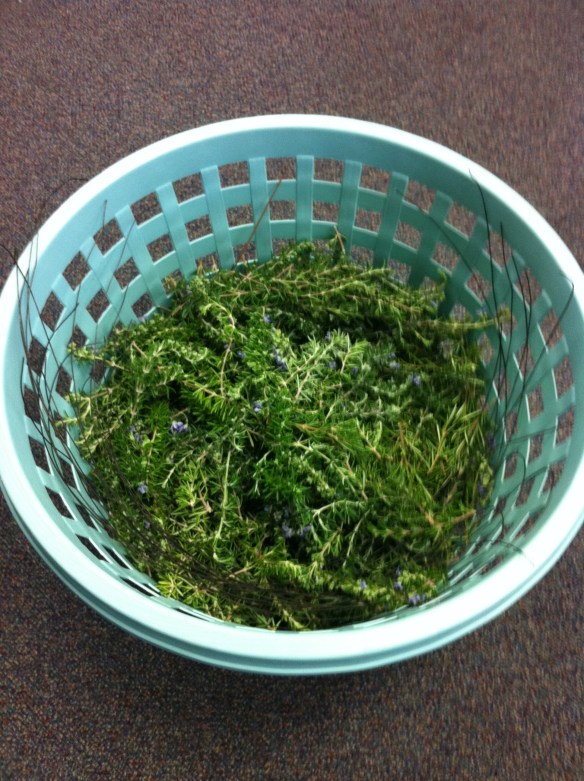
First I harvested about 400-500 sprigs of rosemary from my yard.  (Like the laundry basket?)  I also cut 10 inch lengths of floral wire, and 24 pieces of 20 inch thicker gauge wire. I also gathered spools of ribbons.)

IMG_5400

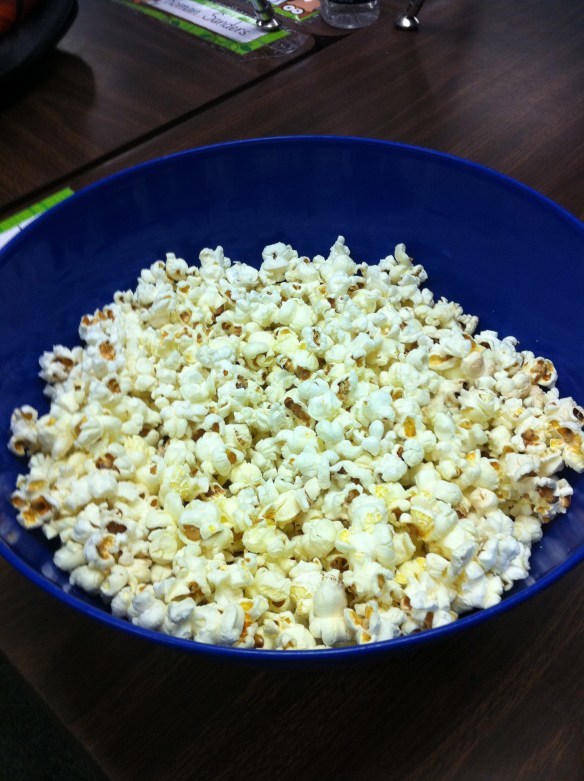
Beforehand I popped a whole lot of popcorn with olive oil and fresh rosemary.

IMG_5403

After talking a little bit about the history and uses of rosemary, we tied the mound of  sprigs at each table into threes with floral wire, and then wound the clusters to the wire circles they shaped with the thicker wire.  Students finished the wreaths with ribbons/raffia, and we dined on popcorn.  IMG_5405 IMG_5407

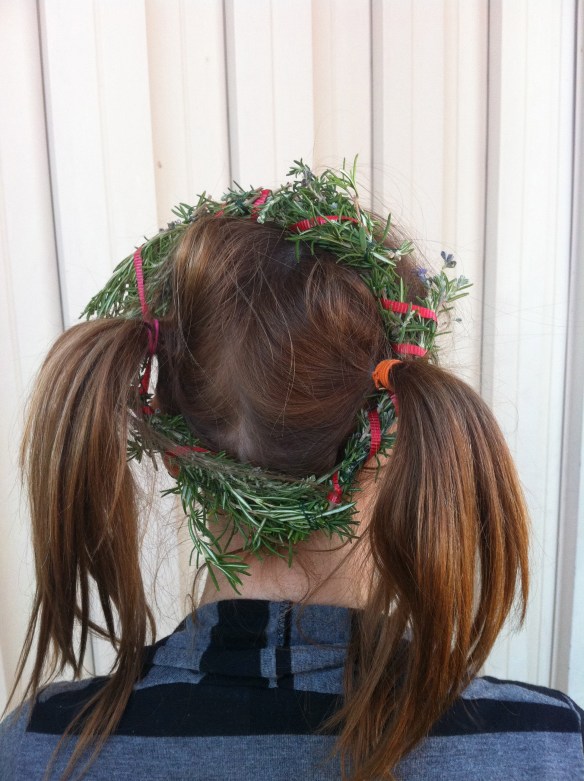
For the last five minutes we took a quick garden walk and identified the rosemary bushes in three different locations. After working with them, touching them, smelling them, tasting them—they were easy to identify.  Students happily went home with their wreaths—this one as a hair piece!

IMG_5409

From Julian to the MOPA

True:  Four Julian students currently have photographs hanging in the Museum of Photographic Arts in Balboa Park.  This is a great story and my dear friend Ann recently wrote it up for the Julian Journal, and her account from the November edition is reprinted (with gratitude) below.

Julian Youth Exhibit Photographs at MOPA

Trustees and members of the Museum of Photographic Arts (MOPA) filled its atrium last month as guests of honor, four students from Julian Junior High, arrived for an artist’s reception to open “Photo/Synthesis,” the 7th Annual Youth Photography Exhibition.

Seventh-graders Taylor Cole, Trevor Denny, Ethan Elisara and Kaleigh Kaltenthaler enjoyed appetizers and music, and mingled with the public, sharing a love of photography nurtured by their involvement in “Kids with Cameras,” an afterschool enrichment program.  Some of the students had never been to MOPA before.  For others, opening was a new experience.  For all of them, it is the first time their artwork was on display in a venue that is nationally recognized for its contribution to the world of photography.

The theme of this year’s youth exhibition, environment and sustainability, is a subject right up the alley of these students who spent most of their time taking photos in the school garden and on Volcan Mountain.  The show was open to students from throughout San Diego County.  Applicants submitted original photos and an artist statement.  A panel of five experts in the field of photography reviewed about 300 entries to select 100 images for the show.  Jurors considered the quality of the image, how it fit into the theme and how well the student’s written words supported his or her photograph.

Deborah Klochko, executive director of MOPA, spoke at the reception saying, “We live in a visual world; how we see that is important.”

She encouraged guests to take a moment to talk with the artists, saying that their voice plays an important role.  Klochko considers photography to be the most important media of the 21st century.

While she says, “Creativity is important,” she also emphasized the importance of visual literacy.

She spoke of the volume of images in the world today, saying that until one understands the structure of an image—how it is made and how it can be manipulated—one can be controlled by the image instead of being in control.  This is why the museum embraces the philosophy of lifespan learning, with programs for children and adults.

“The museum is proud to showcase the work of the youth, which is exciting for the audience as well,” she says.

In the gallery, the photos are arranged by sub-topics within the theme.

Hung with a group of floral photos is Trevor Denny’s close-up of a bee on a flower petal.  Denny, who thinks “It’s pretty cool” to have his photo in a museum exhibition, never thought about how complex bees are until he examined one through the lense of this camera, focusing on details like the patterns in their wings and the hairs on their bodies.

For Ethan Elisara, who “feels really good” about having his artwork in the show, it was capturing the moment when a cattail stalk released its seeds into the air that caught the attention of the jurors.  Elisara’s photo, which hangs with a group of “not your typical nature images,” has a mysterious quality that engages viewers.

Just a few of the photos on display used portraiture as a way to approach the subject, and that’s where Taylor Cole’s dramatic image of a child’s shadow on the bark of a tree burned in the Cedar Fire is found.  Cole, who “felt like a V.I.P.” at the reception, juxtaposes in her photo the contrast of the tragedy of a natural disaster with the playfulness of a child.

In a group of photos that show mankind’s effect on the earth, Kaleigh Kaltenthaler’s artwork is the lone example of a positive way in which human beings have impacted the environment.  Kaltenthaler said she was “fired up” to be surrounded by all of the photos as she talked with people about her image of a grinding stone and mortar.

Klochko publically credited Jeff Holt with doing a great job with a talented group of students.

The show, beautifully organized by Lori Sokolowski, continues through January 27, 2013.

All students pose with instructor Jeff Holt
Here’s hoping the trend becomes the future

School and community gardens are exploding.  I hope that it’s not just a good trend, but a move toward the new normal.

There is so much to learn from others’ efforts, and I love to get out and see what’s happening other places.

Last week I took my kids to the Great Park in Irvine where they have an impressive demonstration garden called the Farm + Food Lab.  Wow!  Also, my sister is involved with her girls’ wonderful school garden in San Jose.  I posted pictures of cool ideas from both places under the Children’s Garden Ideas tab in the black menu above.  There are also pictures of “best practices” from school gardens across the state from last year’s road trip.  Please visit! And if you have a photograph of an outstanding idea, feel free to e-mail it to me and I’ll include it in the library.  Thanks!

Snip! goes one more ribbon

On Wednesday, October 17th we officially welcomed the James Hubbell Gate into our garden.  Back-to-back with this celebration was a garden tour given to a group of people attending the No Excuses University conference in San Diego.  Garden Ambassadors gave tours for a half an hour, and then we kicked off the ceremony.

Here’s me reviewing last minute tour details with the ambassadors:

Photo courtesy of Marisa McFedries

The gate is tied up with a ribbon.

Photo courtesy of Jeff Holt

Just a taste of Rita’s always-remarkable catering:

Photo courtesy of Jeff Holt

Show time!  Garden Ambassadors do their thing, informing the guests about the section of the garden at which they are stationed.

Photo courtesy of Marisa McFedries

Photo courtesy of Marisa McFedries

Photo courtesy of Marisa McFedries

Photo courtesy of Marisa McFedries

This ambassador is standing behind a display of student photography detailing the creation of the gate.

Photo courtesy of Marisa McFedries

The entomology club talks to guests!

Photo courtesy of Marisa McFedries

A student plays fiddle for guests who are being seated, just as he promised in his application:

Photo courtesy of Marisa McFedries

Sixth grade students read poetry written about the gate:

Photo courtesy of Marisa McFedries

I greet the crowd and give a speech, explaining “… this is a story of many things: of dreams turned into reality, the making of new friendships, the power of imagination to reshape reality, the generosity of our community to the benefit of children and the doorway to new chapters.”

Photo courtesy of Marisa McFedries

James speaks!

Photo courtesy of Marisa McFedries

L to R: Susi Jones (Executive Director of Pathways), Kevin Ogden (Julian Elementary Principal and Superintendent), Ann and James Hubbell, me, John Wheelock (artistic colleague of James who worked on gate), Mike Gallo (who established the Pamela Gallo fund at the United Methodist Church which funded the gate) and Dawn King (pastor at Julian Community United Methodist Church.)

Photo courtesy of Lay Lay

Snip! goes the ribbon.

Photo courtesy of Lay Lay

The children walk through, as they will be doing for decades to come!

Photo courtesy of Lay Lay