“Be Wise” partners with our Farm to School efforts

“Be Wise Ranch”* is an organic farm in San Diego that runs a CSA program (community supported agriculture.)  In a CSA, members buy boxes of produce, often organic, directly from a farm on a regular basis.**  For a couple years I have been a member of “Be Wise”, and our little Julian group takes turns in picking up all the boxes once every two weeks and then delivering them to the other members.

Today I called and asked if, in conjunction with our regular pick-up, the ranch would be willing to donate an extra box of produce to our emerging Farm to School program.

Within minutes, they wrote back and said “absolutely.”

Let me list the ways in which this is a very cool development for our F2S efforts.

  • I can use produce in my Farm to School lessons, as in the citrus class I recently held.  Financing these lessons is a challenge, but now we will have a regular donation of organic food to use.  It’s a great start.
  • Garden Ambassadors love doing taste tests!  I can imagine receiving our box, and then working with them during lunch and recess to either cook with it or prep it raw.  Every month we will have a wide variety of fruits and vegetables to introduce to the children in small bites.  For example, this week’s box includes bok choy, cauliflower, carrots, collard greens, grapefruit, kale, romanesco, lemons, lettuce, blood oranges, tangelos, radishes and strawberries.
  • All of the food is already sourced locally and certified organic.
  • Working with Be Wise helps us get the produce efficiently.  Our rural isolation is proving to be one of the biggest challenges in implementing F2S programs, and so it’s a relief to use an “existing channel of distribution” (i.e. our group already picks up regularly “down the hill.”)
  • Even though we will continue to use our garden produce for classes and taste tests, there are many things we will never be able to grow at our altitude that we can still introduce to the kids through the Be Wise produce.
  • We have a short growing season, and donated produce means we can keep the flow of fruits and vegetables coming even when our own growing space looks like this:
IMG_5772

Taken today!

*For more information on Be Wise Ranch, please visit http://www.bewiseranch.com

**For more information on CSA’s, see http://www.bewiseranch.com/csa.htm

Outdoor food prep station? Check!

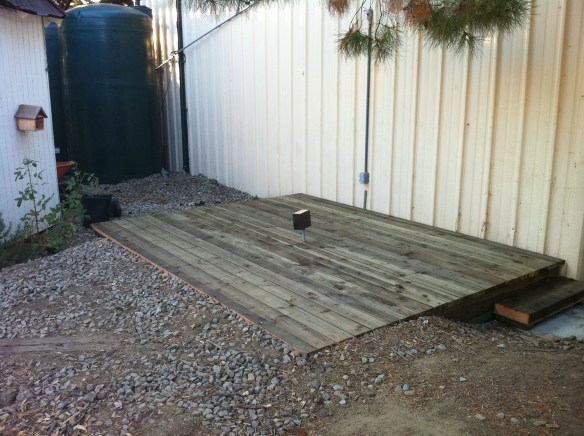
I mentioned that Whole Foods Foundation and Food Corps funded an outdoor food prep station in the garden.  To review, this is what the area looked like before:

IMG_4724

A deck was built to fit the space…

IMG_4894

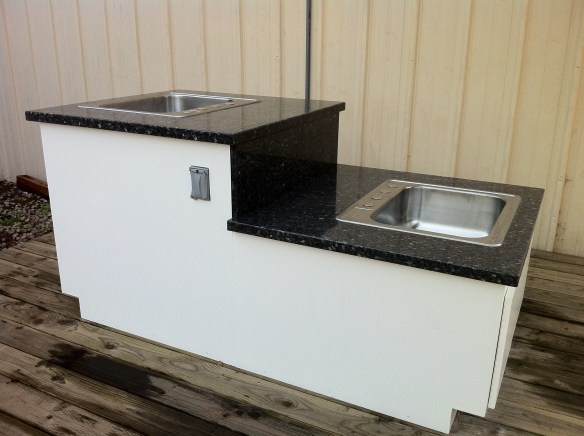
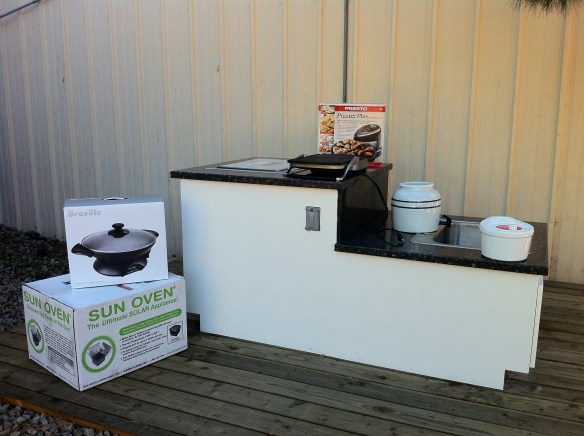
…and a split-level “food prep station” added!  (The two levels are for lower and upper grade-sized kids.)

IMG_5346

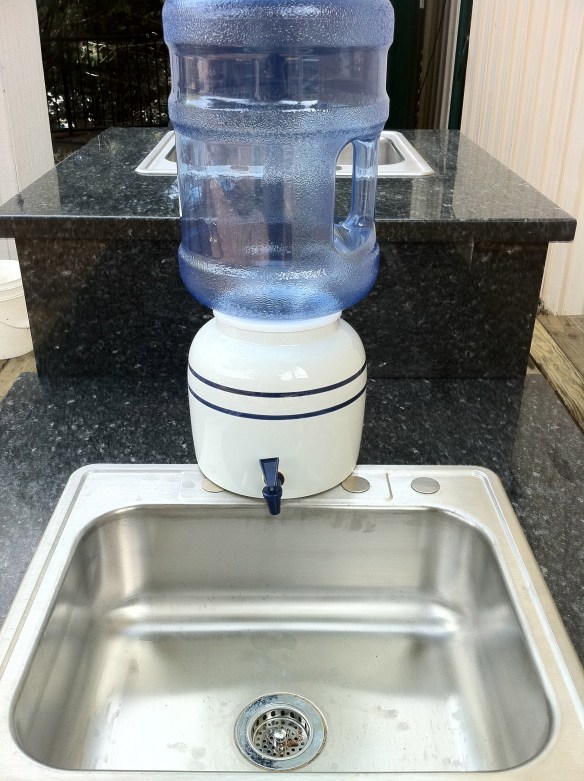
Stainless steel sinks can be used to wash produce with fresh water from dispensers.

IMG_5348

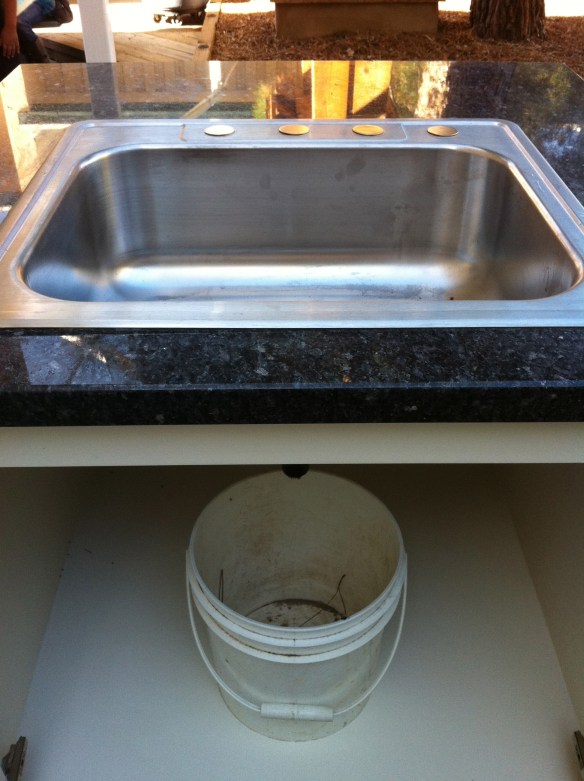
Buckets in cabinets below catch the water to reuse on plants.

IMG_5341

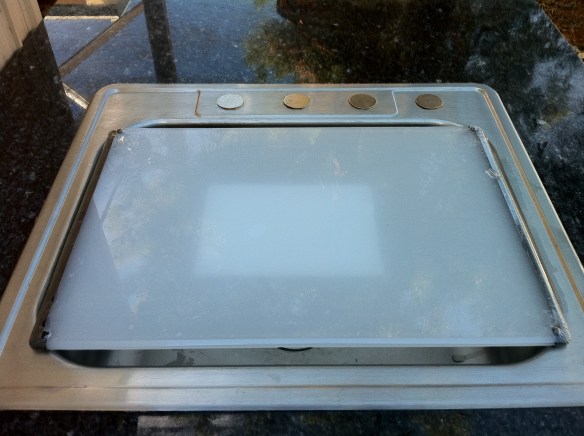
Sinks can be covered with cutting boards to increase work space.

IMG_5344

Both sides have electrical outlets for simple appliances, such as our pizza oven and wok.  We also purchased a solar over.  I’ve been keeping my eyes open at garage sales for other tools such as a salad spinner and a flat grill/panini press.

IMG_5284

The stage is set for great culinary and educational outcomes!

The whole story in 8 minutes

Recently I made this imovie about the entire garden project for a grant proposal.  I think it tells the story quite succinctly, and I hope you’ll enjoy it!  (By the way, it has been a HUGE week in the garden with lots of great stories to tell but I’ll have to wait to recover from it all to tell them.  Good stuff coming!)

Whole Foods Market said “yes”

Senior garden ambassadors met me before school to play with these two gadgets:

Hand-cranked apple peeler, corer and slicer

Dehydrator

We cut apples, dehydrated them all day, and served them at the Taste Test cart at lunch.

Ambassadors get off the bus and work with me until the bell rings

And soon, this whole process is going to be much, much better. You can see that we are prepping the food at the lunch tables.  Do-able but pretty inconvenient.  No table or electric outlet or sink to rinse fruit and veggies.

A while back Susi and I sent a grant proposal to Whole Foods Market, asking for an outdoor “kitchen island” to prep garden produce.  After obsessively checking their website for months we found out this past summer that we won the money!  It’s going to be built soon, so once again, I will show you the “before” shot so you can appreciate it when it goes in.  This is probably the last unimproved piece of real estate in the garden!

Let them eat apples!

Our beloved math teacher at the junior high made a new rule for his class this year:  no eating in class, except apples.  My son came home insistent he take an apple to class the next day…you know, because Mr. Copeland said he could!

This is great timing, because the elementary garden is producing a lovely crop right now.  The trees predate the character garden, but they’ve suffered neglect as long as I can remember because they were on the opposite side of the fence—no easy way to water or prune or harvest.

But with the arrival of the Hubbell gate, we peeled the fence back to make way for the eventual footpath down the hill.  And in so doing, we brought four trees into the garden’s footprint.

So this week we harvested a big bowl of these organic apples and took them to math class. I checked in after first period to see this:

Gone! All apples had vanished by second period, demonstrating two principles: One, you can sneak organic nutrition in the back door when it’s made available by a cool teacher and Two, middle schoolers will eat anything in sight, even something good for them!

95% of students report “yum” on kale

Our garden ambassadors periodically cook/prepare garden produce and host a “taste test” during the 10:15 recess at this adorable cart:

Thank you Kymm for repurposing this old AV cart we found in the storage barn!

Today we tackled kale—considered by many to be the most nutritious vegetable to eat.  It also seems to grow effortlessly and abundantly—here’s some plants grown from seed by our PLUS team (junior high leadership).

Kale framed by yellow snapdragons

Kale can also be perceived as hard to eat.  To introduce it to our kids in a positive way, the ambassadors met before school to blend up smoothies with kale, apple juice, bananas, celery and fresh lemon juice.  Kids lined up for a taste, and the girls recorded a “yum” or “yuck” rating.

I love this idea because it introduces kids to new foods and flavors, all in the fun of a recess “taste test.”  One girl lingered for a few minutes before getting up the nerve to down her ounce of green smoothie—once she did, she asked for the recipe so her grandmother could make her more.  Some kids got back in line and begged for seconds.  Another little girl said she wished we had it every snack recess.  Teachers came out to taste test too!

Mrs. Younce gives kale smoothie an enthusiastic “thumbs up”!