Unknown's avatar

About kidsingardens

Interested in everything that can happen in children's garden

5 reasons I love the Daffodil Show in Julian

This slideshow requires JavaScript.

1. It is rooted in love.   Local gardener Sally Snipes is the force behind the annual planting of daffodils in Julian’s public spaces.  She started many years ago with friends and fellow volunteers, and now there are untold number of daffodils in front yards, along roads and in front of businesses.  Her purpose was to honor her Dad who was an avid gardener, and our town is that much more beautiful for this living memorial to her father.

2.  Children plant many of the flowers.  My son has planted with Sally in various locations over the years.  Ethan could lead you around Julian and point out exactly where he planted, and in what grade (“right there, Mom, that hillside…that’s where we planted in fourth.”)  School children also do watercolor paintings and paper flowers to decorate Town Hall and Main Street businesses when the show comes to town because…

3.  Every year the community gathers together and puts on a show. It’s now part of who we are—we are the people that grow daffodils.  On Friday afternoon, smiling people usher in the daffodils, clustered in spaghetti jars and buckets. They key them out with laminated guides and bulb catalogues, fussing over the blooms in their vases.  Neighbors chat, and Town Hall starts to fill with the heavenly scent of springtime.

4.  Children enter flowers for judging. Kids bring flowers from their yards, and since the advent of the garden, children now enter blooms they planted on campus. This year, between the elementary school and the junior high, we came back with a dozen ribbons.  I really like that the school is participating in the cultural life of the town.

5.  Daffodils are absolutely beautiful and remarkably diverse.  “Depending on  which botanist you talk to, there are between 40 and 200 different daffodil species, subspecies or varieties of species and over 25,000 registered cultivars (named hybrids) divided among the thirteen divisions of the official classification system. ( From American Daffodil Society FAQ, http://www.daffodilusa.org)  Ranging from white to yellow to peach, they are easy to grow and maintain, often fragrant, and always breathtaking.  What’s not to like?
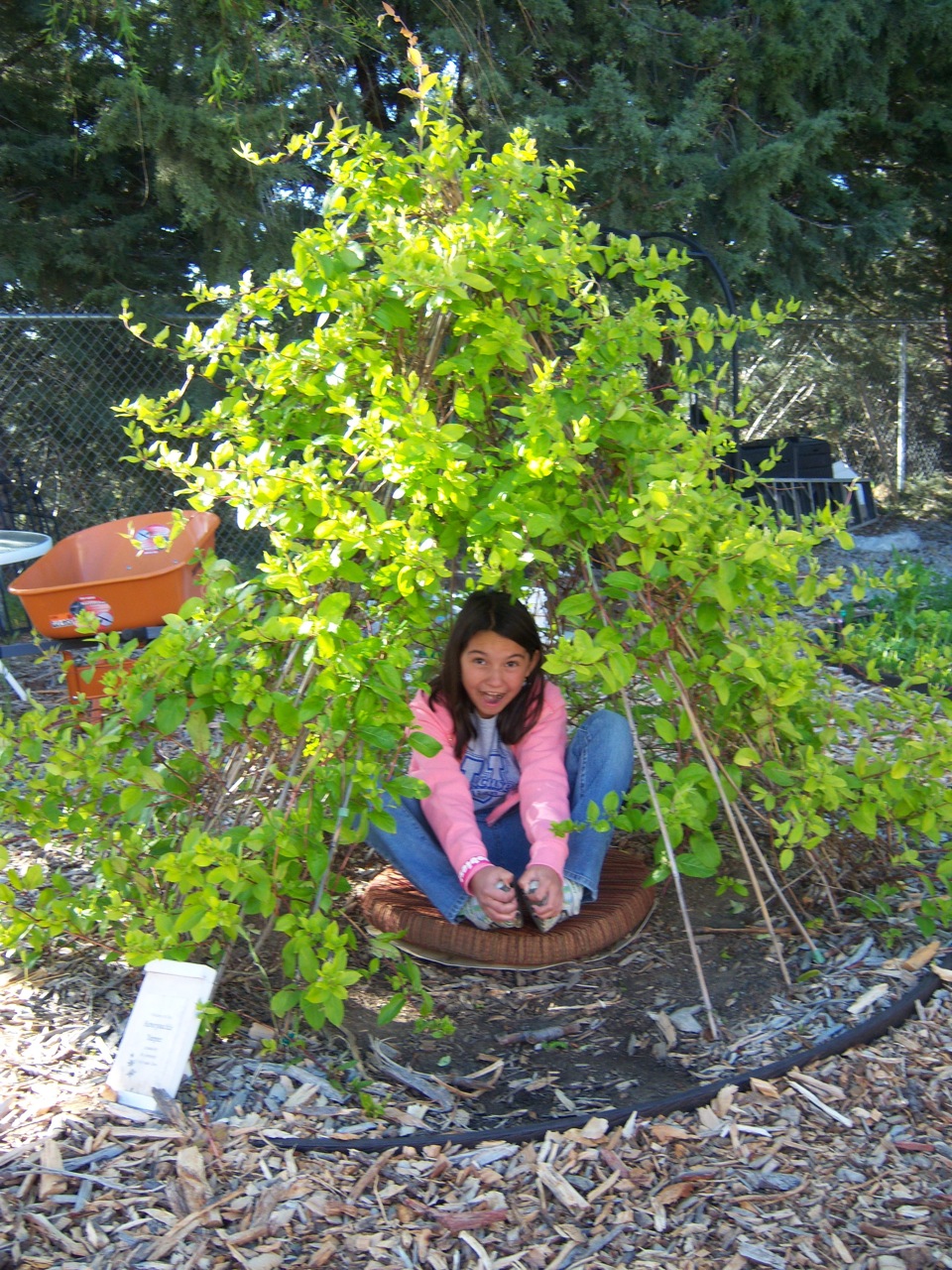
Honeysuckle teepee

With its little cushion, our honeysuckle teepee beckons children to come and sit.  Many days there is a child inside, absorbed in a book.  I believe childrens’ gardens should have elements of whimsy and beauty that invite little people to crawl in, relax and imagine.


Thank you Heather for creating this beloved teepee in the early days of the garden.

To my friends, the early garden dreamers

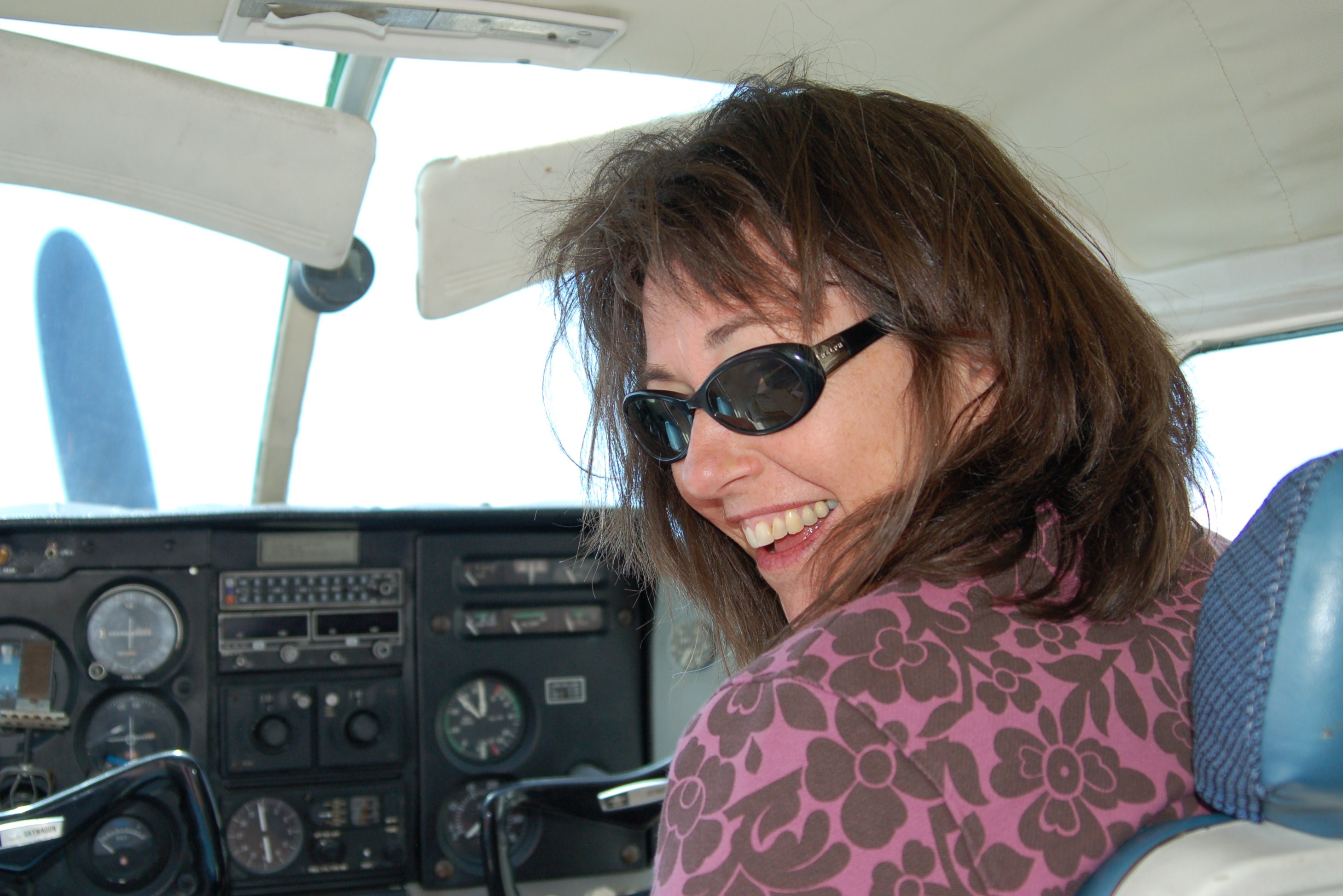
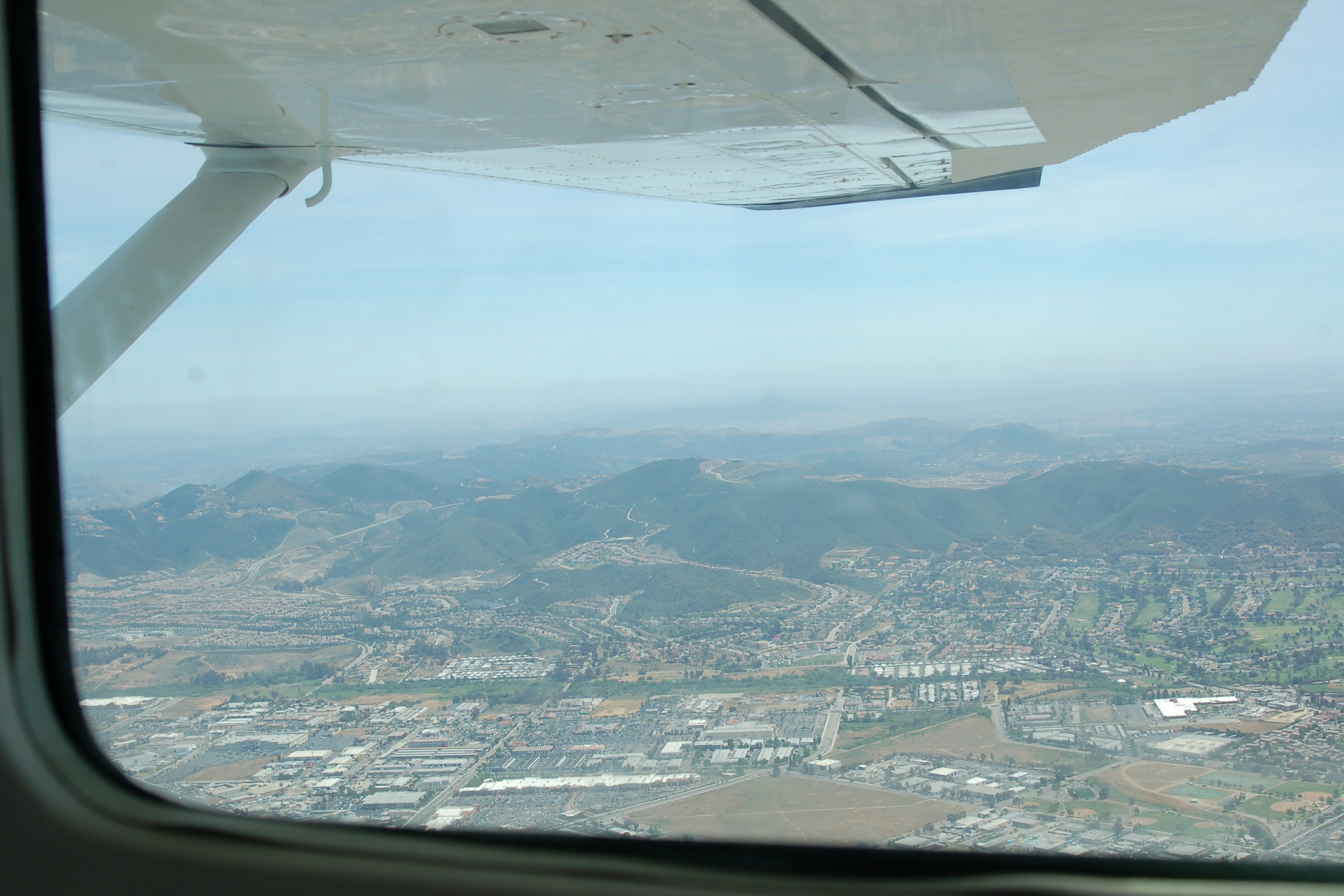
Believe it or not, this post ends with photos of two very dear friends, one in an Elvis suit, both in a small plane, doing something that demonstrates the depth of their commitment to projects we dream up.

But first….let me say that there are dozens and dozens of people who are responsible for making the school garden what it is today.  You can’t scroll through these posts and not know that a small army of people, doing both small and large things, built this little slice of heaven.  (Thank you, every single one of you–parents, teachers, administration, staff, garden club, students, family, neighbors.)

And yet there are three women in particular who with me gave birth to this idea in the Spring of 2009. Without these friends/fellow parents, the area that is our garden would still possibly be an asphalt-cracked, weed-infested, graveyard for broken equipment.  They are Allison, Marisa, and Kathy.

Together we caught the vision for a school-wide garden program. We whispered the idea to each other, and our eyes grew big.  Over and over we would walk that corner of campus, starting every sentence with “What if?”  We took notes, sent each other e-mails, and hunched over notebooks filled with garden magazine clippings at the coffee house.  Hands gesturing, arms flying, we would talk over each other in excitement, and then a big idea would come and we would lift our sleeves and say “I’ve got goosebumps.”  Then we’d head out and walk the space again.

We pounded out a proposal and presented it to our PTO.  We asked for money to launch the project, and our parent community and school administration gave us the green light.  We started breaking ground (or rather, leveling it) that very week.

All of my local friends are amazing.  They live their lives with creativity, whole-heartedness, love, possibility and commitment to things that matter.  I feel lucky to be carving out a rich life with them in this town, striving to offer up our best gifts to enhance the lives of kids growing up here—our own as well as others.

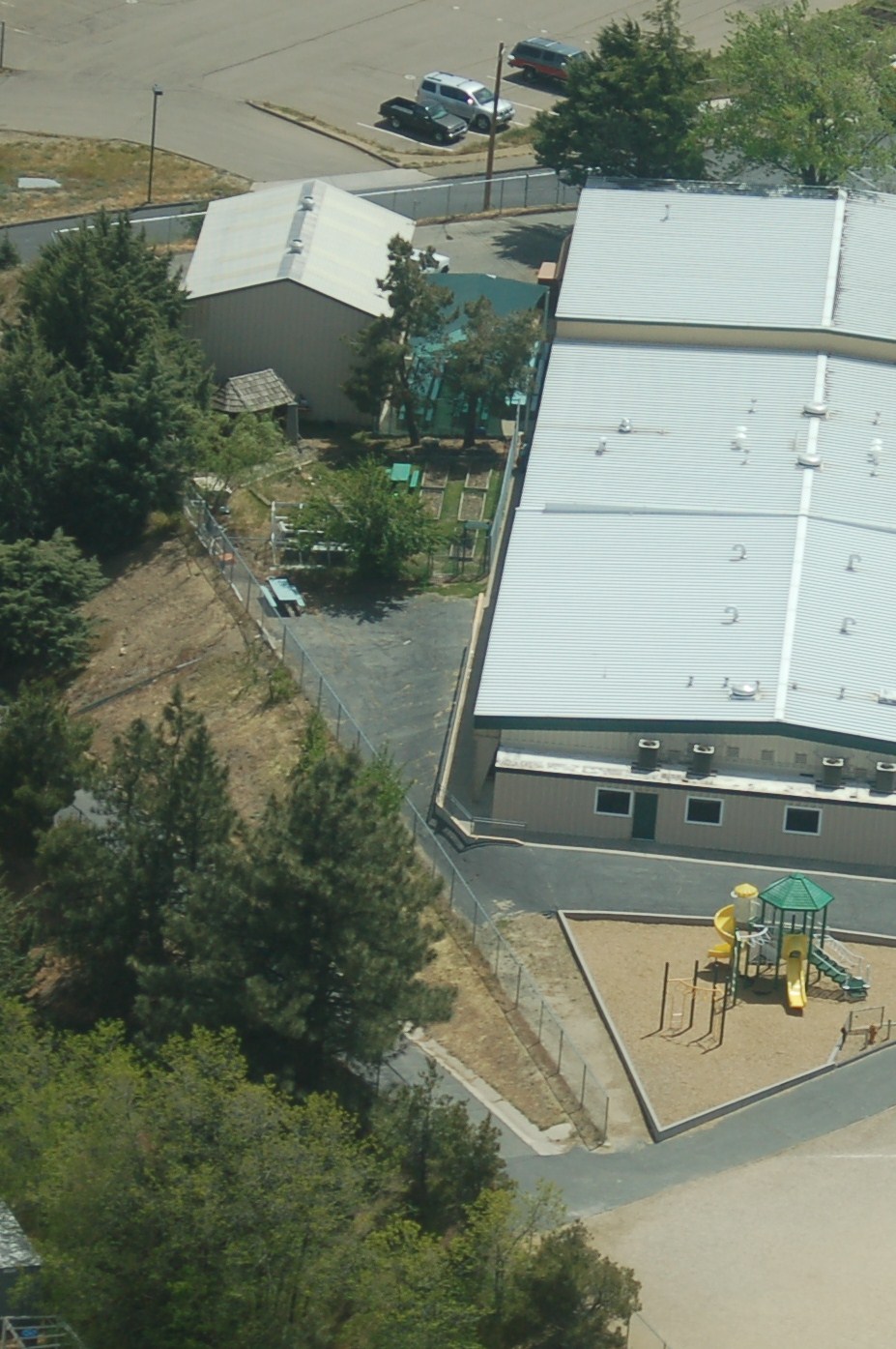
Here’s proof of the kind of fun, vibrant and “sky’s the limit” women they are.  Two of them decided it would be great to get an “aerial photograph” of the garden as we were in the planning stages…you know, for good artistic renderings and archival documentation.  So they flew up over the school and took one.

The “asphalt triangle” below was the space that became half of the garden; the space above it was a outdoor area used years ago by a now-retired, dedicated gardening teacher but since fallen into disrepair.

Now….as for one of them being dressed as Elvis, well…. that’s another (very good) story……

Garden bulletin board, by kids

I once heard a garden coordinator say that she tried to never work in the garden alone–she always invited someone to join her.  In that way, she was always building the knowledge and skill base of other volunteers—and she always had company!

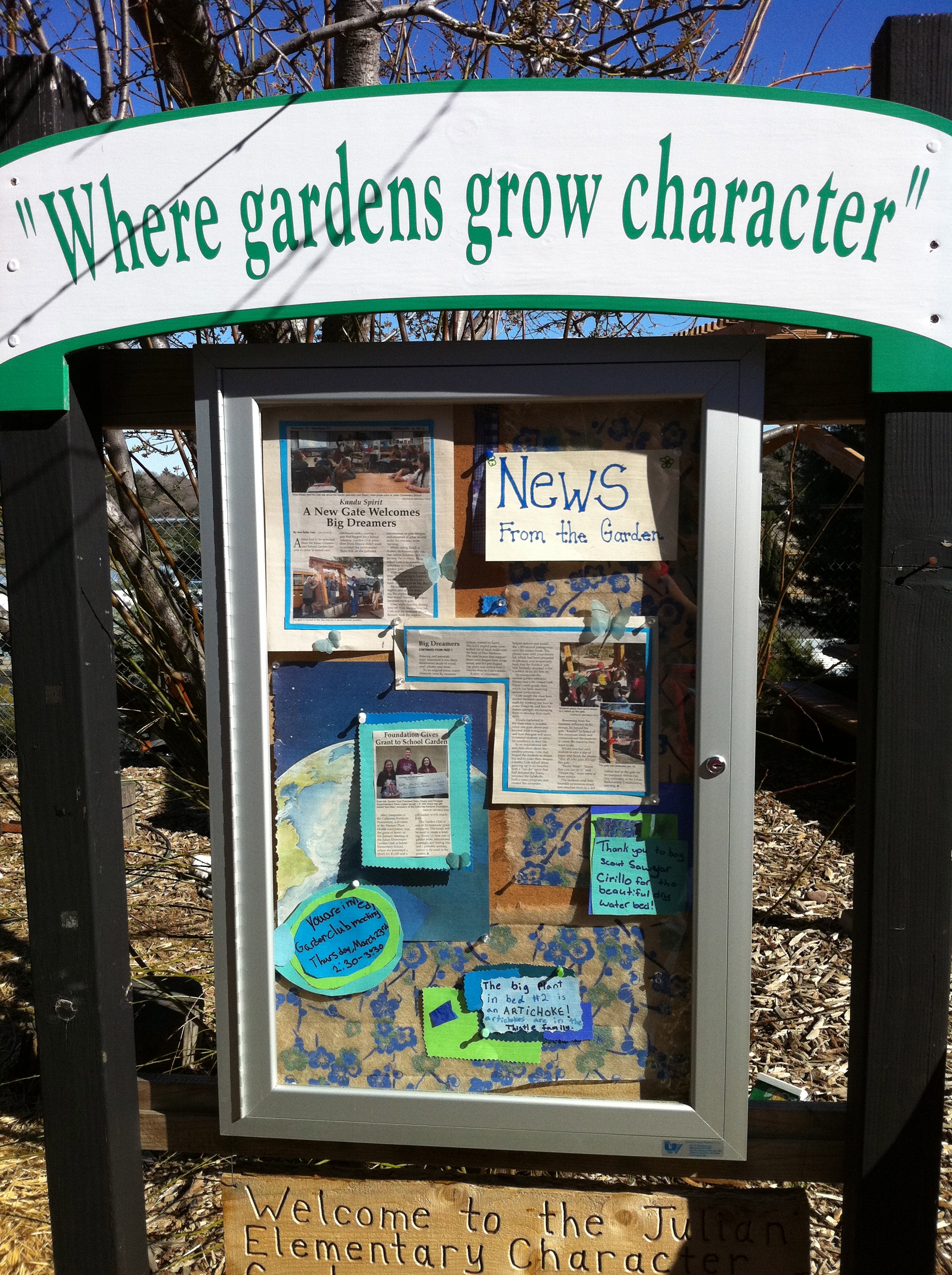
Sometimes it takes me a while to remember that most every garden job can be used to teach something.  All month I’ve been passing our garden bulletin board and thinking, “Oh dear, that really needs updated!”  And then it occurred to me to offer a bulletin board making activity for NEAT day, an hour of enrichment on Friday afternoon.

I gave the four students the information that needed to go on the board: newspaper clippings and information I wrote on cards.  Then we talked about palette–about choosing a color scheme that guides what colors you choose for a project. (Thank you artist friends for helping me to think like this!)  We pawed through big boxes of handmade and recycled papers, talking about mixing in texture.  We discussed accents and surprises and splashes of whimsy to make something more interesting. I told stories about the scraps of paper in the box (like the remnant of marbled paper I brought from Italy, the handmade pieces I had picked up at fair trade stores and the scraps I had collected from Christmas cards and wrapping paper.)

Then the kids went for it.  The result was sweet and colorful, and they were very proud of it.  We’ll change it next month, with another group of students, and learn some more.

The Table: A little tale of reinvesting, rebuilding and reimagining

 Once upon a time there was a school nestled high up in pines and oaks of the San Diego mountains.  It was a small, rural, public elementary school, and the children and parents of this little school loved it very much.

Every year the children and parents of the school did fundraisers.  They sold wrapping paper.  They held spelling bees.  They hosted a used book sale.  The money they raised went to everything from scholarships to assemblies.

Each year the PTO gave a special, year-end gift to the school from the money they had raised.  One year they decided that the gift would be a table for the beautiful school garden.  But not just any table.

Not long ago, a wildfire had torn through their community.  One out of every four families in their school had lost a home in this terrible tragedy—the worst fire in California history. And there were many other fires that had turned their community upside down.

They thought about how their town had slowly and bravely rebuilt.  The big losses and small recoveries became part of their story as a community.   Then they thought about Don Madison, a local craftsman.

Don had a special gift.  He liked to take wood from trees killed in wildfires, mill it by hand and then make beautiful pieces of furniture.

Families from the school met Don and forged a friendship.  The children went to see the trees on the mountain and watch Don mill.  Don began to make the table.  Anticipation grew for its arrival at the school.

One day Don called the school and said the table was ready.  “It’s beautiful!” “It’s unique!”  “It’s HEAVY!” he said.  “It’s going to be a huge job to transport this table to the school and place it in the middle of the garden.  BUT I have an idea….”

Two weeks later a group of local firefighters slowly and carefully carried the table piece by piece on to the school campus with Don.

A celebration took place. The story was told.  Speeches were made. A ribbon was cut.  Cookies and lemonade were served.  And there were many “ooohs” and “aaahs” and very few dry eyes.

The table sits there today.  Sometimes it is ringed with students eating lunch.  Or reading.  Or learning science or art.

It is a gathering place.  A thing of beauty. A reminder of renewal.  A legacy table planted in a school garden in a small town, high up on a hill.

The garden, in the (adorable) words of a child

At the end of the school day, a third grade teacher sent her students to the garden with the class set of ipods, asking them to take photographs and add narration.  So here’s the garden from another angle–the most important one—the angle of a child.

Thank you to Kerrigan for the video and Mrs. Cirillo for the cool assignment!

How gardens can raise awareness

From the beginning, our parent-led garden club decided to be completely open with the development of the garden.  We had no agenda, hidden or otherwise, in what the garden would eventually look like. Our plan was to create the stage (mulch the pathways, amend the soil, build a shade structure, renovate the gazebo) and let it grow from there.

One reason is that we didn’t want teachers to feel any pressure whatsoever; the other reason is that we understand how creativity works.  Too many predetermined conclusions equals very little room for interesting things to happen.

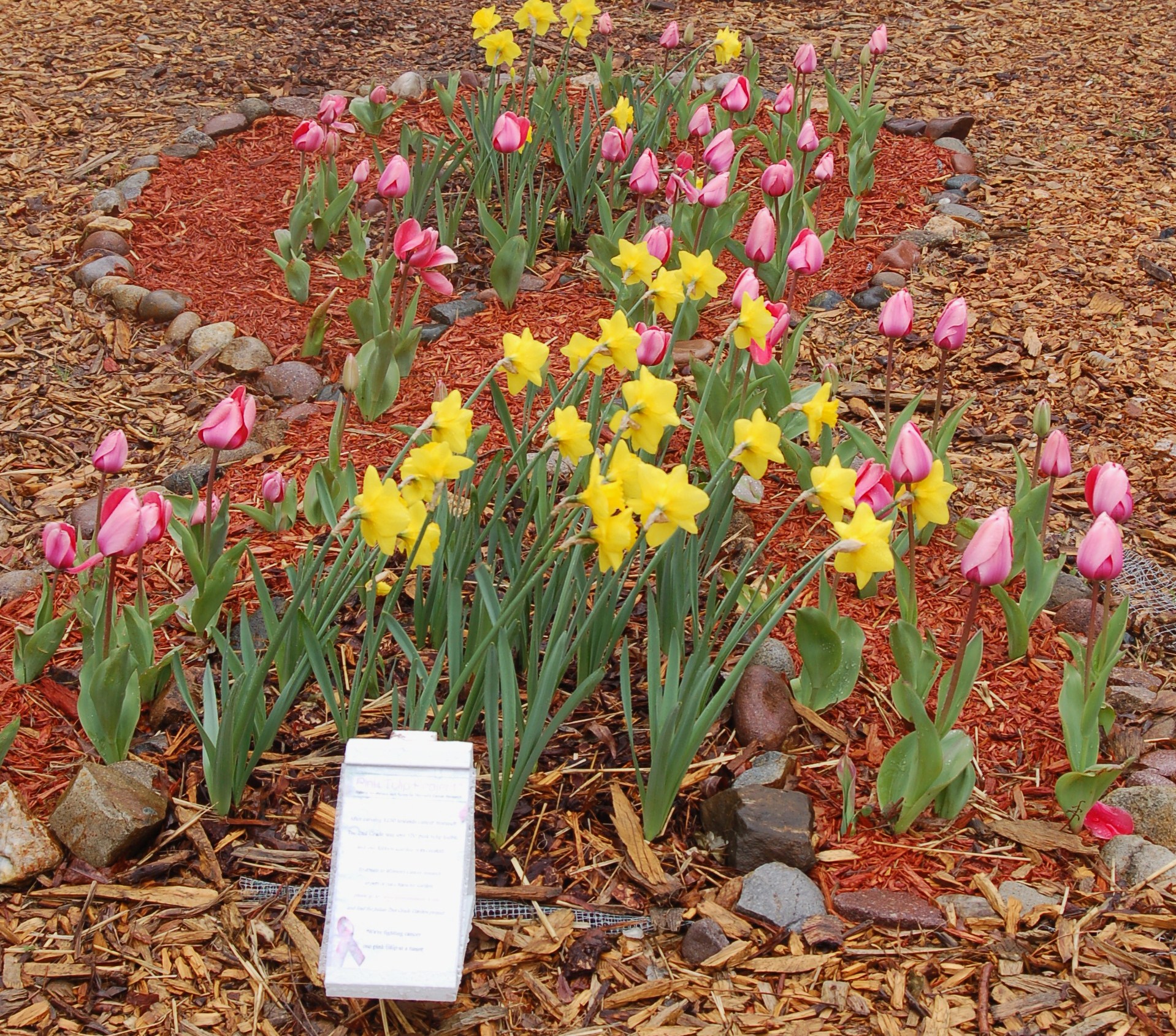
The breast cancer awareness garden was one of the first projects to spring up.  A parent and teacher were in conversation about cancer diagnoses in the lives of their friends and family.  As Marisa writes,

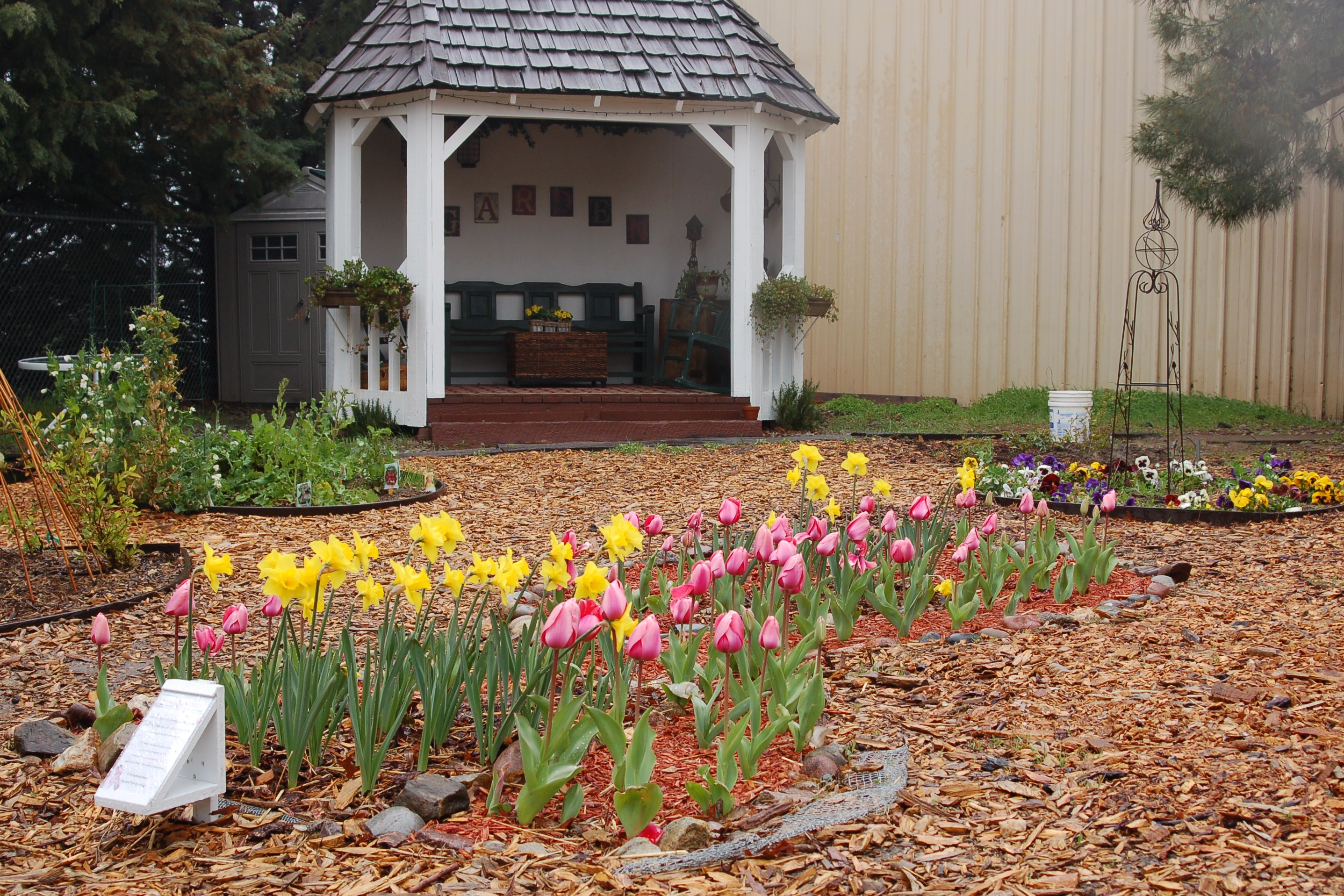
The conversation gave me the idea to create a garden bed that could bring awareness to people, memorialize our loved ones, and also be a character building activity for the students. Then, in a Family Circle magazine, I came across an article about a woman making a difference in Maine.  Robin Whitten founded the Pink tulip Project which raises awareness and funds for women’s cancer research. I registered us as a potential garden site for the Pink Tulip Project and then sent out the website to everyone that I knew.  The students were encouraged to send out emails to their family members also. After receiving over $250 in donations on behalf of our garden bed, the organization sent us 100 pink tulip bulbs to plant. Mrs. Younces’s and Mrs. Cauzza’s second grade students planted the bulbs after Kathy and I dug out the bed in the shape of a ribbon.

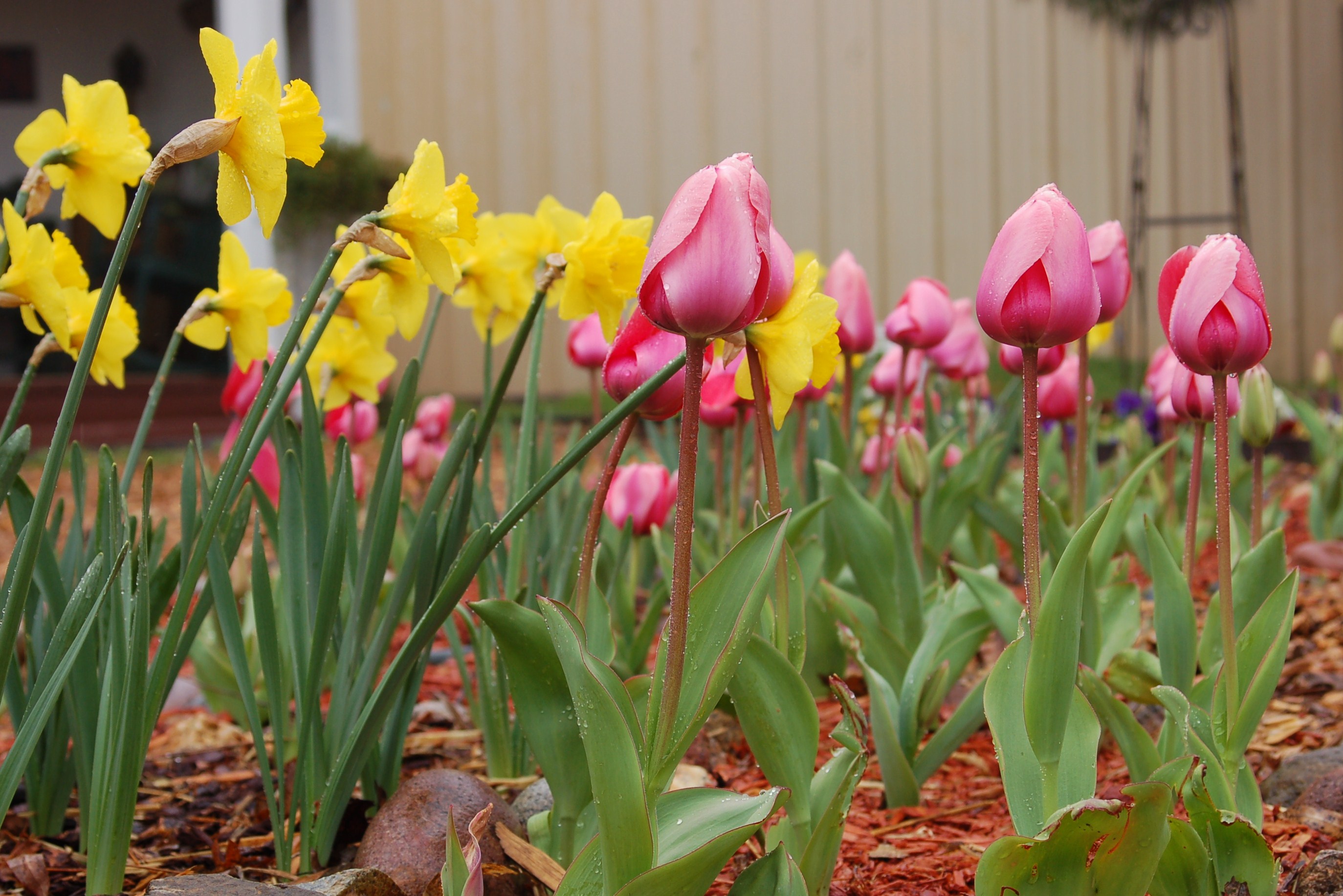
It is one of the most beautiful elements of our garden, and it is starting to come up this week.  The ribbon is mulched with red bark and lined with stone.  Daffodils are planted in the center of the ribbon.

Photos courtesy of Marisa McFedries

Clear 15 minutes and watch this

I cried, I cheered, and I posted this morning even though I wasn’t planning to post until next week.  Try to clear 15 minutes with a cup of coffee and watch this

TED Talk with Stephen Ritz of the Bronx Green Machine

Curating a classroom

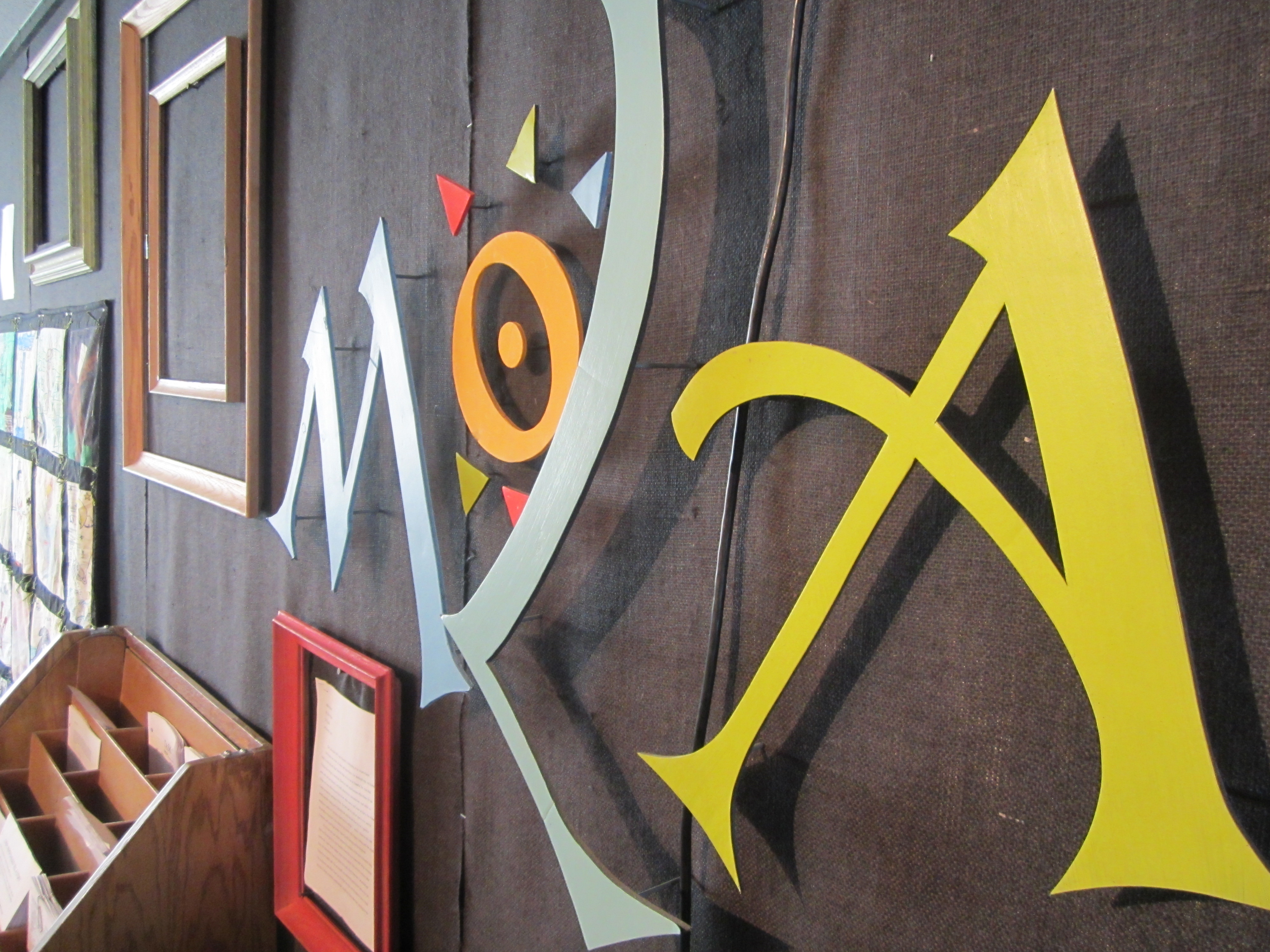
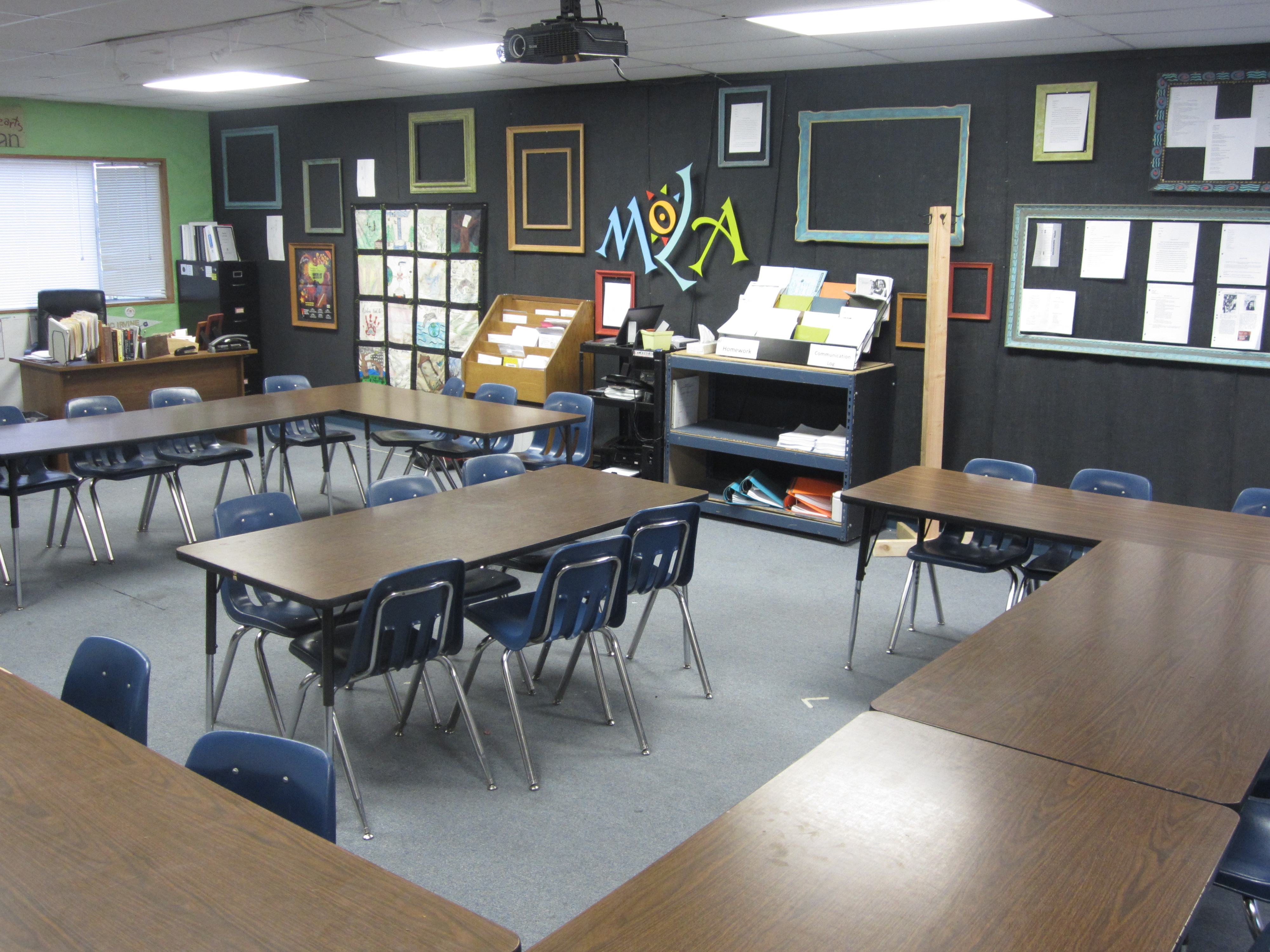
Classrooms can be beautiful.  The first time I realized this was when I visited my friend Drew Ward’s high school English classroom.  He calls it the “MOLA”—Museum of Language Arts.  His walls are black and covered in colorful empty frames.  At the beginning of the school year he challenges his students to write something worthy of hanging in the MOLA.

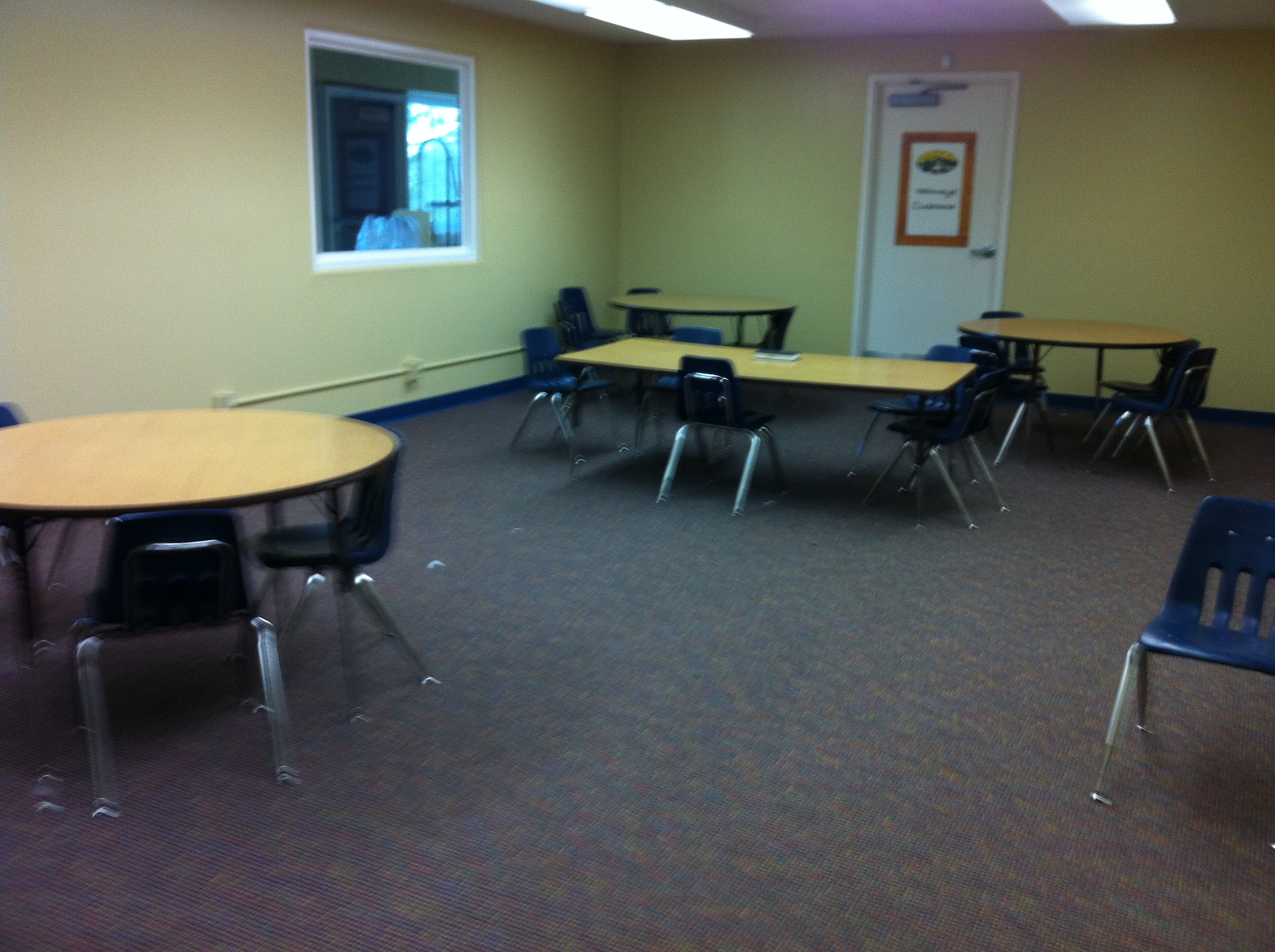
It made an impression on me, and I think it was in the back of my mind when I was recently working on a project in the Jaguar Den.  The Jaguar Den is a open, multi-use room that has been re-carpeted and painted, awaiting decoration.  Among other things, it will be a venue for indoor garden activities during our cold months (such as the vocabulary-building Garden Bingo we played on a rainy NEAT day.)

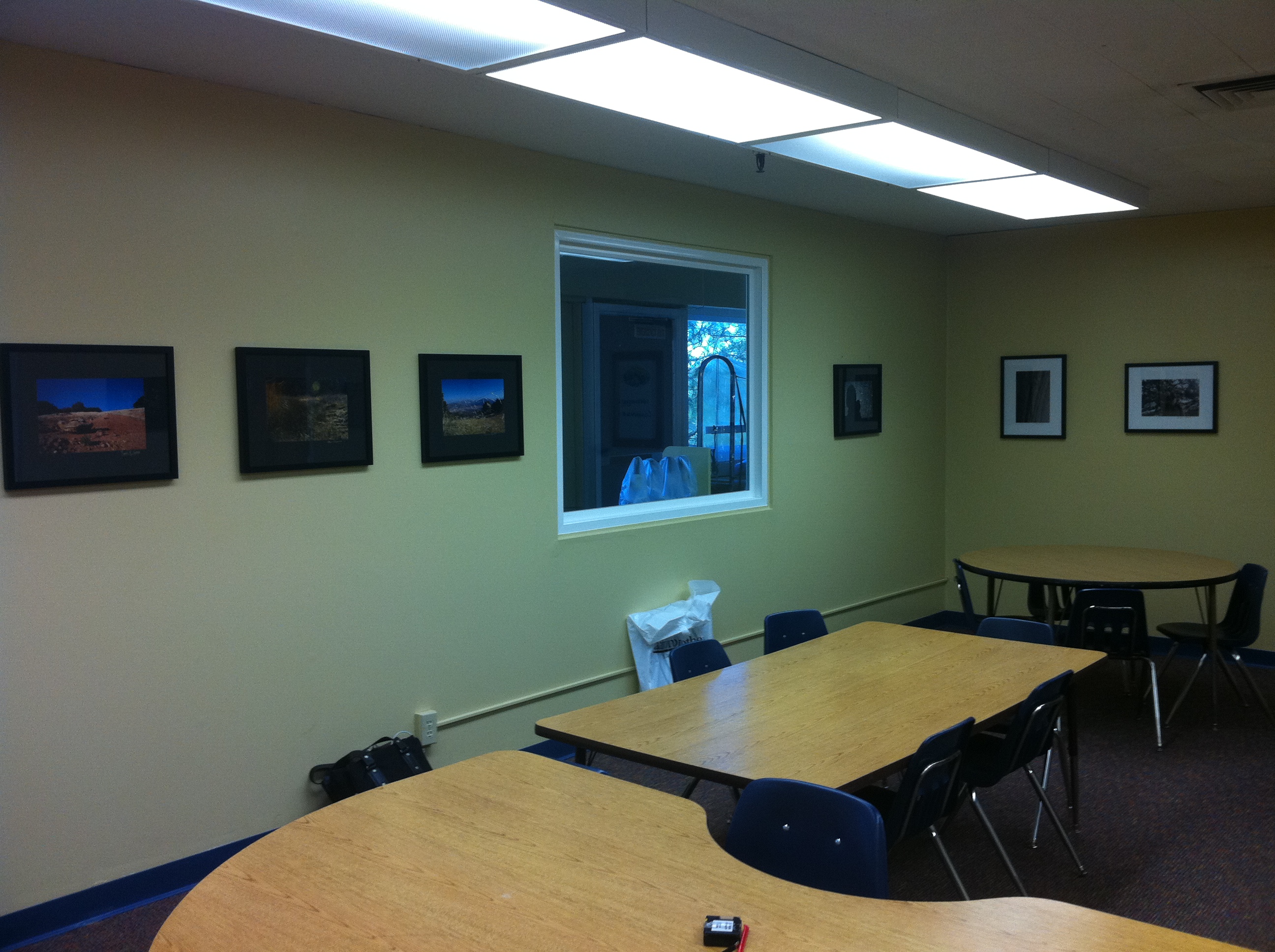
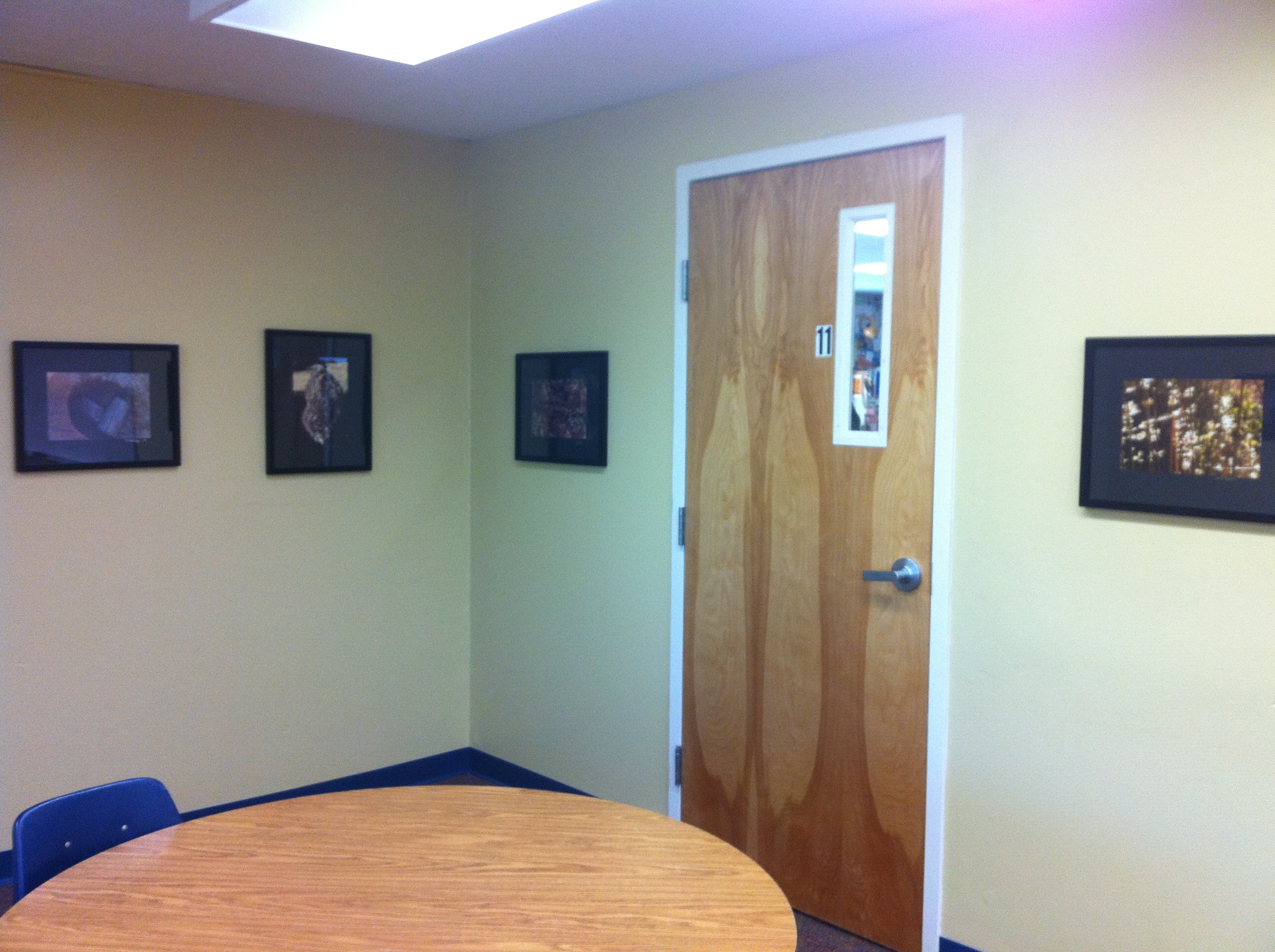
“Kids with Cameras” is a collaborative after school program involving the school garden. (You can read about it here.)  We enlarged and matted the kids’ best photos from our Volcan Mountain trip for a community reception.  After the photos were on display at the library for two weeks, the Character Council (charged with designing this new space) decided to have the framed prints hung in the Jaguar Den to create a “gallery feel.”  In this way, students’ work is exhibited, and the photos contribute to a clean and beautiful look we are going for in this room.

BEFORE

AFTER

Thank you to my artist friend Ann for arranging and hanging these!

The upside of zone 7

Although I live in San Diego County, I live in the mountains at 4,200 feet.  I wouldn’t trade life in our little town, but I admit that I am prone to other zone envy.  Thinking about my gardening brethren “down the hill” growing lemons…and avocados…and year-round vegetables…and those gorgeous ornamentals that love the coastal fog……well, it sometime makes me a little jealous.

But here is one of the advantages of zone 7:

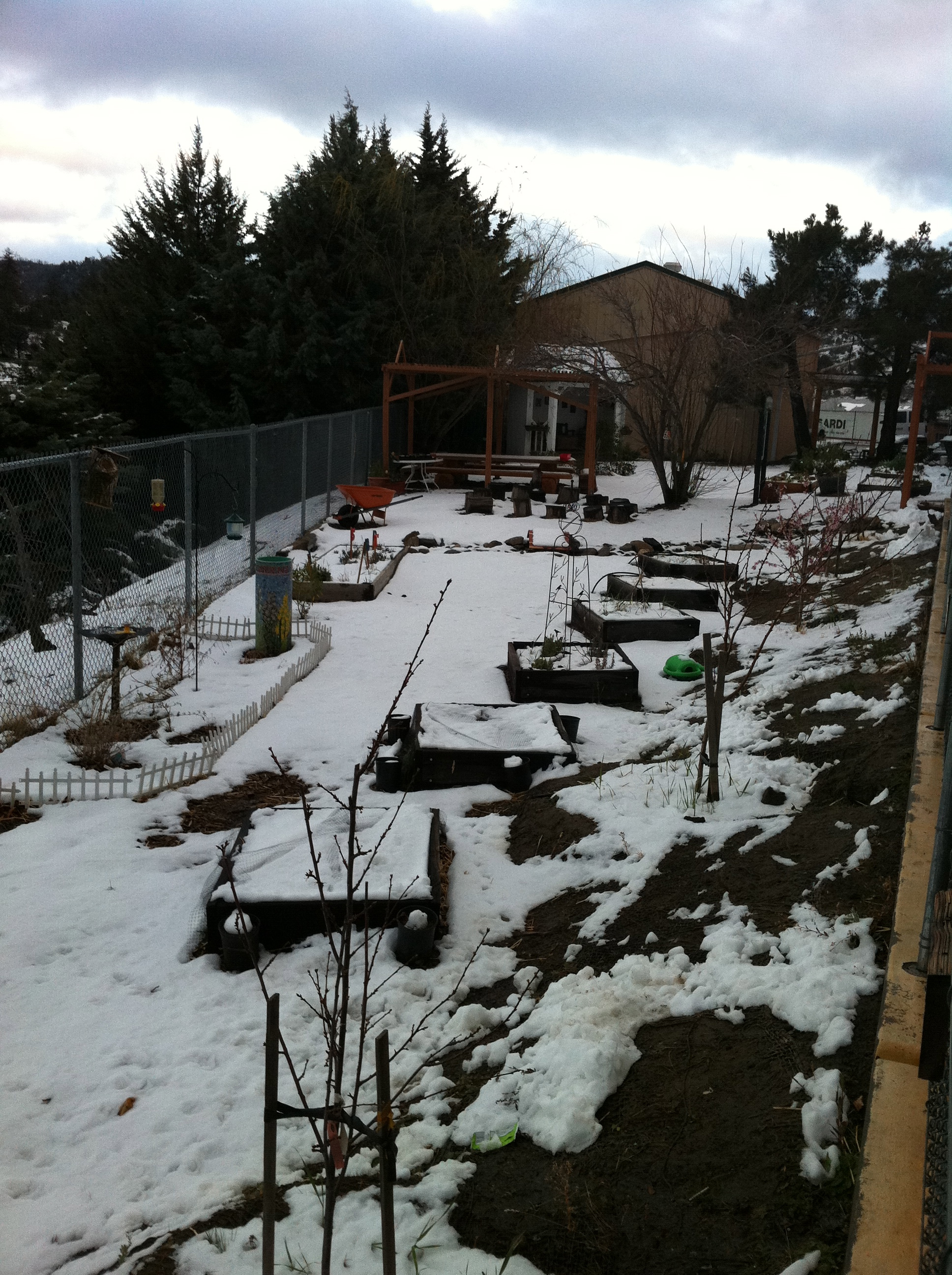
Winter!  And winter in gardens generally means there’s nothing to do for a while.  Last week we had unseasonably warm weather.  And much like the apricot tree which broke dormancy because the weird high temperatures seemed to tell it to do so, I too was fighting the irrational feeling that it wasn’t really winter and I should be gardening now.  

Snow settles it, telling me:  rest for a little bit.  Spring will be here soon enough.

That is, if it weren’t for….

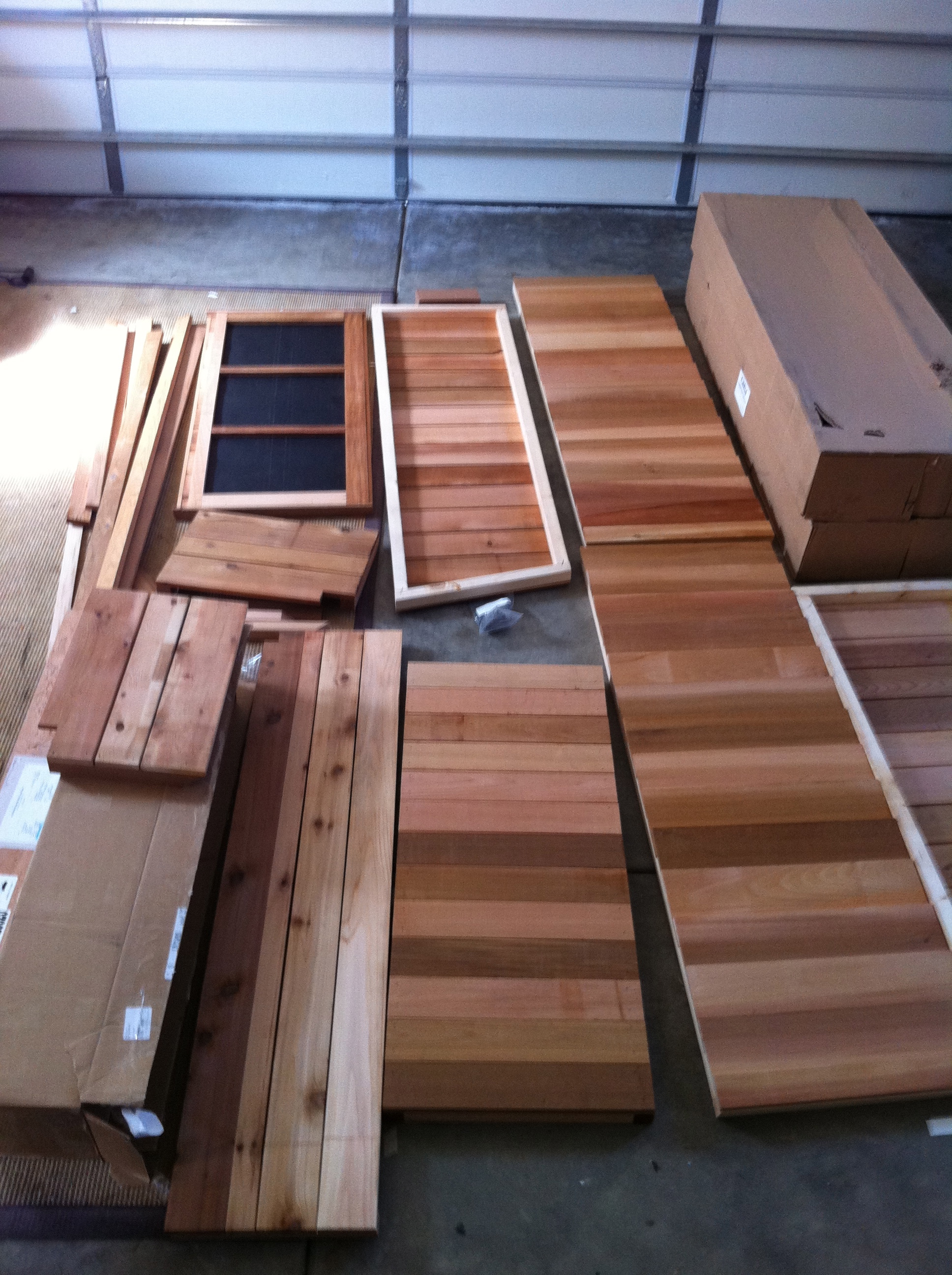
Indoor projects! (Cedar garden hutch awaiting assembly in my garage!)